The Liverpool Overhead Railway remains one of the most remarkable achievements in British transport history. Built during a period of intense industrial growth, it provided a vital connection along the busy docklands of Liverpool. Its elevated design and electric operation made it a pioneering system that captured global attention.
Known affectionately as the “Dockers’ Umbrella,” the liverpool overhead railway offered both shelter and efficiency to workers travelling beneath and upon it. Today, it stands as a symbol of innovation, blending engineering brilliance with social importance. This article explores its origins, development, daily life, and the reasons behind its eventual closure.
The Origins of the Liverpool Overhead Railway
In the late nineteenth century, Liverpool’s docks were among the busiest in the world, stretching for miles along the River Mersey. Transporting workers efficiently between these locations became a pressing challenge, as traditional road systems were overcrowded and slow. The idea of an elevated railway emerged as a practical and forward-thinking solution.
The liverpool overhead railway was officially opened in 1893, marking a revolutionary step in public transport. Developed by the Liverpool Overhead Railway Company, it was designed to serve dock workers and improve productivity. Its construction showcased bold engineering, and it quickly became a vital part of the city’s infrastructure.
Route, Stations and Map Overview
The liverpool overhead railway extended approximately six and a half miles, running parallel to the docks from Alexandra Dock in the north to Dingle in the south. Along its route, it featured numerous stations that provided convenient access to key industrial and commercial areas, including the busy James Street connection.
One of the most fascinating aspects of the railway was the Dingle terminus, which was located underground despite the line being elevated. The liverpool overhead railway route map illustrates how effectively it linked different sections of the docklands, making it an essential network for both workers and visitors navigating the city.
Innovations and Engineering Breakthroughs
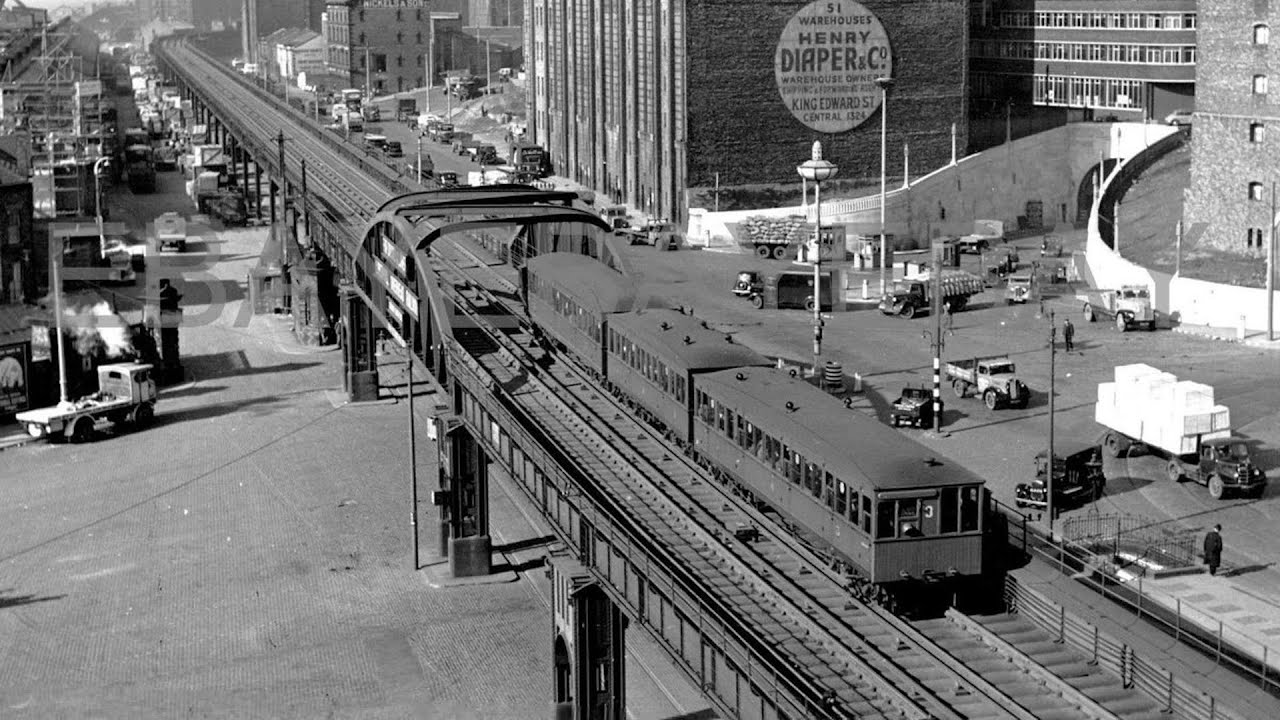
The liverpool overhead railway was a trailblazer in modern transport technology. It was the world’s first electric elevated railway, eliminating the reliance on steam engines and offering a cleaner, faster alternative. This innovation not only improved efficiency but also set a benchmark for future urban transit systems.
In addition to electric traction, the railway introduced automatic signalling and electric colour lights, which were revolutionary at the time. Its iron framework, raised above the streets, demonstrated impressive durability and design. These engineering advancements ensured that the liverpool overhead railway became a model for railways worldwide.
Daily Life: Passengers, Workers and Tourism
For thousands of dock workers, the liverpool overhead railway was an essential part of everyday life. It allowed them to travel quickly between different docks, reducing commute times and improving working conditions. The convenience and reliability of the service made it highly popular among local residents.
Beyond its practical role, the railway also attracted tourists who were eager to experience its elevated views. Travellers enjoyed panoramic scenes of the River Mersey and the bustling docks below. This dual function as both a commuter service and tourist attraction added to the unique charm of the liverpool overhead railway.
Liverpool Overhead Railway Photos, Posters and Models
The legacy of the railway is preserved through a rich collection of photographs, posters, and models that capture its historical significance. These visual materials provide a glimpse into the design, atmosphere, and daily operations of the liverpool overhead railway during its peak years.
Vintage posters once advertised the railway as both efficient and modern, while detailed models now serve as educational tools. Museums and collectors continue to preserve these items, ensuring that the story of the liverpool overhead railway remains accessible and engaging for future generations.
Decline and Closure of the Railway
Despite its early success, the liverpool overhead railway began to face significant challenges in the mid-twentieth century. The impact of World War II caused structural damage, and years of exposure to harsh coastal conditions led to severe corrosion in its iron framework.
Financial pressures and competition from buses and cars further weakened the system. Ultimately, the cost of repairs proved too high, and the railway was closed in December 1956. The end of the liverpool overhead railway marked the loss of a pioneering transport system that had served the city for over sixty years.
Remains and What Exists Today
Although much of the railway has disappeared, some remnants still survive, offering a tangible connection to the past. The Dingle tunnel is one of the most notable surviving features, providing insight into the unique design of the system.
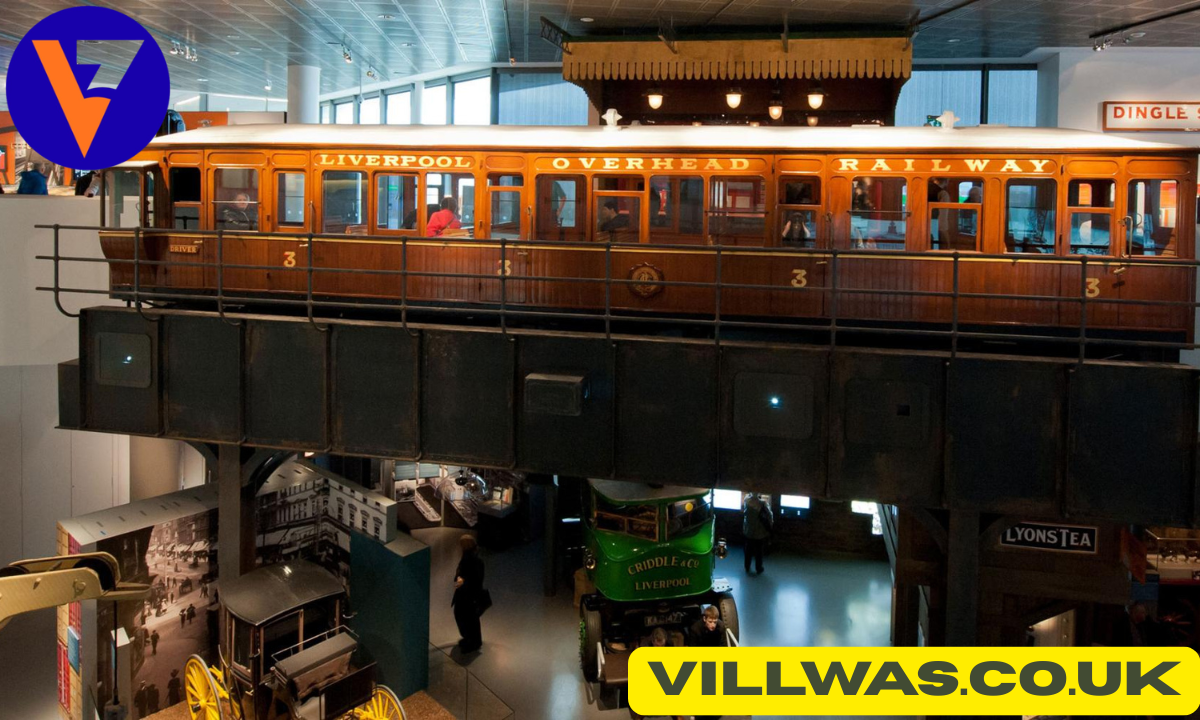
Museums in Liverpool house preserved artefacts, including original carriages and historical displays. These exhibits highlight the importance of the liverpool overhead railway and ensure that its story continues to be shared with visitors interested in transport heritage and industrial history.
The Liverpool Overhead Railway Today and Future Possibilities
Today, the liverpool overhead railway remains a subject of fascination for historians, engineers, and enthusiasts. Its legacy continues to inspire discussions about urban transport and the potential for innovative solutions in modern cities.
While there have been occasional proposals for a new Liverpool Overhead Railway, none have come to fruition. However, digital reconstructions, exhibitions, and educational projects keep its memory alive, ensuring that the impact of the liverpool overhead railway is not forgotten.
Conclusion
The liverpool overhead railway was more than just a means of transport; it was a symbol of progress and ingenuity during a transformative period in Liverpool’s history. Its pioneering use of electric power and elevated design set new standards for railway systems around the world.
Although it closed in 1956, its legacy continues to influence how we think about public transport and urban development. The story of the liverpool overhead railway remains an enduring reminder of innovation, resilience, and the importance of preserving historical achievements for future generations.
Frequently Asked Questions
What was the Liverpool Overhead Railway?
It was the world’s first electric elevated railway, built to serve Liverpool’s docklands.
Why was it called the Dockers’ Umbrella?
The elevated structure provided shelter to dock workers walking beneath it.
When did the Liverpool Overhead Railway close?
It closed on 30 December 1956 due to high maintenance costs and structural damage.
Are there any remains of the railway today?
Yes, some features like the Dingle tunnel and museum artefacts still exist.
What made the railway unique?
Its electric operation, elevated structure, and advanced signalling were groundbreaking.
Can you still see Liverpool Overhead Railway photos?
Yes, many historical images are preserved in museums and archives.
Is there a plan to rebuild the railway?
There are discussions, but no confirmed plans for reconstruction exist.
Also Read: colchester united football stadium map and layout