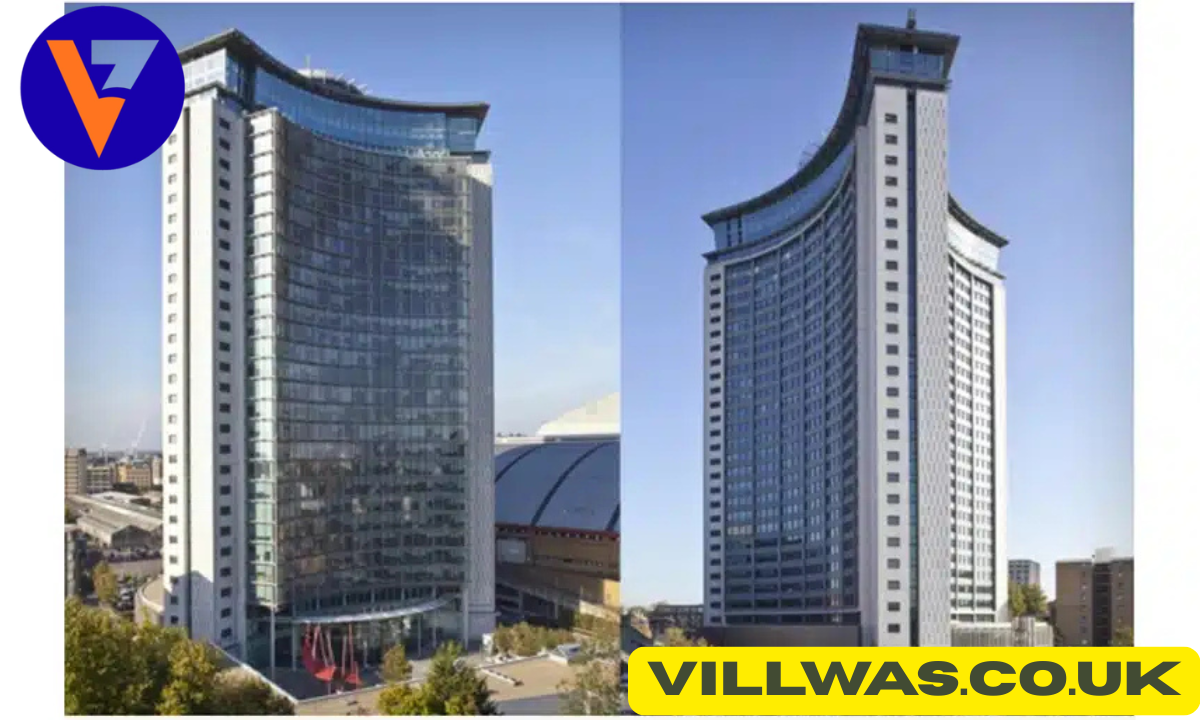
The Empress Building London is a prominent landmark located in West Brompton, on the border of Earl’s Court within the London Borough of Hammersmith and Fulham. Formally known as the Empress State Building, this iconic tower has been a part of London’s skyline since its completion in 1961. Its modernist design, height, and historical significance make it a point of interest for architects, historians, and visitors alike.
Over the decades, the Empress Building London has served multiple roles, from commercial offices to a major civic facility. Its strategic location on Lillie Road ensures excellent connectivity across West London, making it an integral part of the local urban landscape. Today, the building continues to stand as a testament to post-war architectural ambition and urban development in the city.
The History of Empress Building London
The Empress Building London was constructed on the former site of the Empress Hall, a celebrated entertainment venue that hosted music, theatre, and public events in the late 19th and early 20th centuries. When the hall was demolished, the site was redeveloped to meet the growing demand for modern office spaces, reflecting London’s post-war urban transformation and ambition to modernise the city’s commercial infrastructure.
Upon its completion in 1961, the Empress Building London briefly became one of the tallest buildings in the capital. It was a symbol of economic optimism and technological progress, attracting prominent tenants and becoming a recognizable feature in West London. Over time, the building transitioned from purely commercial use to public sector purposes, highlighting its evolving role within the city’s urban fabric.
Architectural Design and Structural Features
The Empress Building London showcases a modernist architectural style characteristic of the 1960s. The tower rises to 117 metres with 31 floors, providing ample office space and a commanding presence in West Brompton. Its rectangular form, repetitive window patterns, and sleek facade demonstrate the era’s emphasis on functionality, simplicity, and efficiency in high-rise construction.
Structurally, the building utilises a reinforced concrete framework, allowing for large floor plates suitable for flexible office layouts. The design ensured durability while supporting the weight and height demands of a modern high-rise. Even today, the Empress Building London remains a prime example of post-war urban planning, reflecting the architectural trends and engineering innovations of its time.
Location and Transport Connections

The Empress Building London is strategically located on Lillie Road, providing easy access to both West Brompton and Earl’s Court. The building benefits from excellent public transport connections, including nearby Underground stations and multiple bus routes. Its location has made it a convenient choice for commercial tenants and, later, public sector operations, allowing seamless access to central London and other key areas.
The surrounding area combines residential, commercial, and cultural spaces, enhancing the building’s urban significance. Local amenities, shopping centres, and nearby entertainment venues contribute to the vibrancy of the neighbourhood. Its location ensures that the Empress Building London is both a functional and iconic part of West London’s urban landscape.
Ownership and Current Use
The Empress Building London is currently owned by the Mayor’s Office for Policing and Crime and serves as a key facility for the Metropolitan Police. The building houses specialist operations, including counter-terrorism units and other high-security departments. This transformation marked a major shift in the building’s purpose from commercial office space to an essential civic hub.
Extensive refurbishments have modernised the interior while maintaining the building’s structural integrity. Security upgrades, technological improvements, and operational enhancements have reinforced its role as a high-security facility. While access is restricted to the public, the Empress Building London continues to play a vital role in supporting law enforcement operations across London.
Empress Building London in the Skyline
For decades, the Empress Building London has contributed significantly to the West London skyline. Despite newer skyscrapers now surpassing it in height, the tower remains highly visible from surrounding neighbourhoods. Its modernist design and vertical silhouette stand out against the lower-rise architecture of Fulham and Earl’s Court, making it an enduring point of reference in the city.
The building’s presence is also culturally significant, as it represents a period of ambitious urban development in London. Its architectural prominence continues to attract attention from historians, architects, and urban enthusiasts. The Empress Building London remains a symbol of London’s evolving skyline and a reminder of mid-20th century architectural innovation.
Distinguishing Empress Building London from Other Buildings
There are other properties in London that share the “Empress” name, which sometimes causes confusion. Notably, the Empress Building in Dover Street, Mayfair, is an entirely different structure with distinct historical and architectural significance. It was originally home to the exclusive women-only Empress Club and is unrelated to the high-rise in West Brompton.
Clarifying this distinction is important for visitors, researchers, and those interested in London’s architectural heritage. The Empress Building London in West Brompton, formally the Empress State Building, is unique in its height, structural design, and civic function. Its historical and contemporary significance sets it apart from other similarly named buildings in the city.
Cultural and Urban Significance
The Empress Building London represents more than just architectural achievement; it is part of West London’s cultural and urban history. As one of the tallest buildings of its era, it symbolised progress, modernity, and economic growth. Its construction reflected the city’s post-war desire to expand commercial spaces while embracing modern design principles.
Additionally, debates about its potential redevelopment, including proposals for residential use as part of the Earl’s Court masterplan, highlight the building’s continuing relevance. By balancing historical significance with practical functionality, the Empress Building London illustrates the complexities of urban planning and regeneration in London’s dynamic environment.
Future Prospects of Empress Building London
Looking ahead, the Empress Building London is likely to maintain its role as a civic and operational centre. While redevelopment proposals occasionally emerge, its current use as a secure facility for the Metropolitan Police ensures that it remains integral to London’s infrastructure. Future urban planning initiatives may further enhance its surroundings and accessibility.
Its long-term prospects depend on balancing preservation with modern needs. The building is a living example of how historical high-rises can adapt to contemporary urban demands, blending architectural heritage with functional relevance. Empress Building London will continue to influence West London’s skyline and civic identity for years to come.
Conclusion
The Empress Building London is a landmark that combines historical importance, architectural innovation, and civic function. From its origins on the site of Empress Hall to its modern-day role as a Metropolitan Police facility, the building tells a story of adaptation and resilience. Its modernist design and height remain notable features of the West London skyline.
As one of West Brompton’s most iconic structures, the Empress Building London continues to shape the city both visually and functionally. Its unique place in London’s history, ongoing relevance in public service, and architectural prominence make it an essential subject for urban enthusiasts, historians, and residents alike.
Frequently Asked Questions
What is the official name of Empress Building London?
The official name is Empress State Building in West Brompton.
How tall is Empress Building London?
It is 117 metres tall with 31 storeys.
When was Empress Building London completed?
The building was completed in 1961.
Where is Empress Building London located in London?
It is on Lillie Road, West Brompton, near Earl’s Court.
Who owns Empress Building London today?
The Mayor’s Office for Policing and Crime owns it.
What is the current use of Empress Building London?
It serves as a Metropolitan Police operational and counter-terrorism hub.
Is Empress Building London open to the public?
No, public access is restricted for security reasons.
Was Empress Building London ever the tallest building in London?
It was briefly one of London’s tallest buildings in the early 1960s.
How can visitors reach Empress Building London by public transport?
It is accessible via West Brompton and Earl’s Court Underground stations.
What makes Empress Building London historically significant?
Its modernist architecture and civic role make it historically important.
Also Read: Seating Plan and Interior Layout