An electromagnetic motor generator is a remarkable electro-mechanical device designed to convert electrical energy into mechanical motion and mechanical motion back into electrical power. This dual capability makes it a cornerstone of modern engineering systems. From large-scale power stations to compact household appliances, this machine plays an essential role in maintaining the smooth functioning of daily life and industrial operations across the United Kingdom and beyond.
The importance of the electromagnetic motor generator lies in its efficiency, adaptability, and reliability. By harnessing the interaction between magnetic fields and electric currents, it creates controlled motion or produces usable electricity. Its reversible nature allows the same core design to operate as both a motor and a generator, making it an indispensable technology in energy production, manufacturing, transport, and renewable power generation.
Historical Development and Scientific Foundations
The origins of the electromagnetic motor generator can be traced back to the pioneering work of Michael Faraday, whose discovery of electromagnetic induction transformed scientific understanding in the nineteenth century. Faraday demonstrated that a changing magnetic field could induce an electric current in a conductor, forming the fundamental principle behind modern generators and electrical power systems used today.
Building upon this knowledge, André-Marie Ampère further explored the relationship between electricity and magnetism. His research clarified how electric currents generate magnetic fields, a concept vital to motor operation. Together, these discoveries established the scientific framework that allowed engineers to design machines capable of efficient energy conversion, eventually leading to the advanced electromagnetic motor generator systems used worldwide.
Working Principle of Electromagnetic Motor Generator
The working principle of an electromagnetic motor generator is based on the interaction between conductors and magnetic fields. When operating as a generator, mechanical force rotates a coil or rotor within a magnetic field, producing electricity through electromagnetic induction. Conversely, when functioning as a motor, an electric current flows through the coils, generating magnetic forces that cause the rotor to spin.
This process is governed by Faraday’s Law of Induction, which explains how a changing magnetic field produces an electric current, and Lorentz Force Law, which describes the force exerted on a current-carrying conductor within a magnetic field. These principles ensure that the electromagnetic motor generator can seamlessly switch roles, highlighting its versatility and technical sophistication.
Main Components and Their Functions
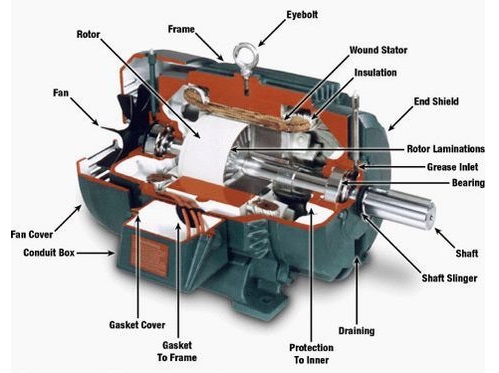
Every electromagnetic motor generator consists of carefully engineered components that work together to enable efficient energy conversion. The stator forms the stationary outer structure and produces a consistent magnetic field. Inside it, the rotor or armature rotates, interacting with the magnetic field to generate movement or electricity depending on the operating mode.
Additional elements such as commutators, slip rings, brushes, and shafts ensure proper current flow and mechanical rotation. Cooling systems help regulate temperature, while insulation materials protect against electrical faults. The precise coordination of these parts ensures the electromagnetic motor generator operates safely, efficiently, and reliably even under demanding industrial conditions.
Types of Electromagnetic Motor Generators
There are several types of electromagnetic motor generator designs, each tailored to specific applications. Alternating current machines are commonly used in national grids and industrial systems due to their efficiency and scalability. Direct current machines, meanwhile, are often employed in smaller applications where precise speed control is required.
Permanent magnet systems offer enhanced efficiency and reduced maintenance, making them suitable for renewable energy technologies and electric vehicles. Motor–generator sets are also used to regulate voltage and frequency in specialised installations. These variations demonstrate how the electromagnetic motor generator adapts to diverse operational demands across sectors.
Motor Versus Generator Differences
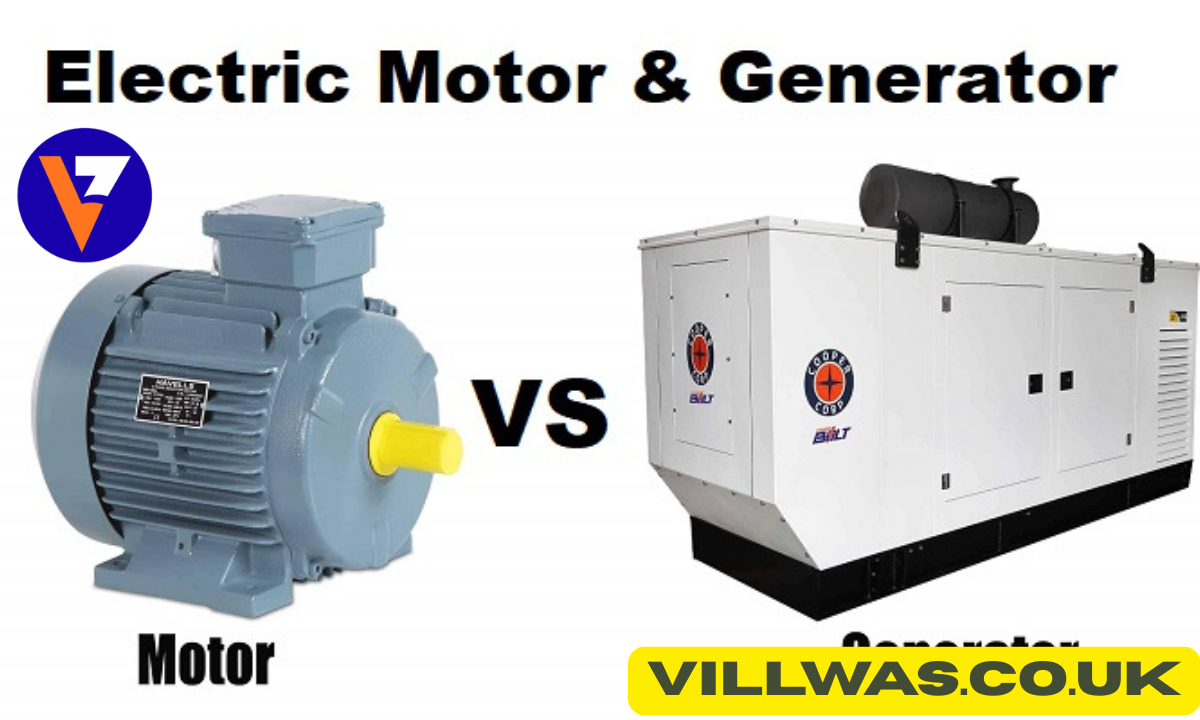
Although motors and generators share similar construction, their primary functions differ significantly. A motor converts electrical energy into mechanical motion, powering machinery, fans, and industrial equipment. In contrast, a generator converts mechanical motion into electrical energy, supplying power to homes, businesses, and national infrastructure.
The distinction lies mainly in the direction of energy flow. Both machines rely on magnetic interaction and rotating components, yet their objectives are opposite. The electromagnetic motor generator unites these two roles within a single conceptual framework, emphasising the close connection between motion and electricity in modern engineering.
Applications in Modern Technology
The electromagnetic motor generator is fundamental to contemporary energy systems and industrial processes. In power stations, turbines driven by steam, water, or wind rotate generators to produce electricity for national distribution networks. Renewable energy projects, including wind farms and hydroelectric plants, depend heavily on this technology for sustainable power generation.
In transport, electric vehicles utilise advanced motor generator systems for propulsion and regenerative braking. Household appliances, manufacturing equipment, and emergency backup systems further highlight the widespread use of the electromagnetic motor generator. Its adaptability ensures it remains central to technological progress and economic development.
Advantages and Limitations
One of the key advantages of the electromagnetic motor generator is its efficiency and reliability. It offers consistent performance across a wide range of applications and can be scaled to suit both small domestic devices and massive industrial installations. Its reversible design reduces the need for separate systems, improving cost-effectiveness and practicality.
However, limitations such as heat generation, mechanical wear, and energy losses must be carefully managed. Regular maintenance and improved material design help address these challenges. Despite minor drawbacks, ongoing research and technological refinement continue to enhance the performance and sustainability of the electromagnetic motor generator.
Future Trends and Innovations
Technological advancements are shaping the next generation of electromagnetic motor generator systems. Improved magnetic materials, digital monitoring tools, and smart grid integration are increasing efficiency while reducing environmental impact. Engineers are focusing on lightweight designs and enhanced durability to meet the demands of renewable energy expansion.
The growing adoption of electric vehicles and clean energy infrastructure ensures continued innovation in this field. As societies move towards low-carbon energy solutions, the electromagnetic motor generator will remain a crucial component in achieving energy security and environmental sustainability.
Conclusion
The electromagnetic motor generator represents one of the most significant achievements in electrical engineering. By converting energy between mechanical and electrical forms, it supports essential services that power modern civilisation. Its operation is grounded in fundamental scientific principles and strengthened by centuries of innovation.
From national power networks to everyday household devices, this versatile machine underpins countless technologies. As advancements continue and sustainability becomes increasingly important, the electromagnetic motor generator will remain at the heart of future energy systems and industrial progress.
Frequently Asked Questions
What is an electromagnetic motor generator?
An electromagnetic motor generator is a machine that converts electrical energy into mechanical energy and vice versa.
How does an electromagnetic motor generator work?
It works by using magnetic fields and electric currents to generate motion or induce electricity.
What is the difference between a motor and a generator?
A motor converts electricity to motion, while a generator converts motion to electricity.
Can a motor be used as a generator?
Yes, a motor can function as a generator because of reversible energy conversion.
What are the main components of an electromagnetic motor generator?
Key components include stator, rotor, brushes, commutator/slip rings, and cooling systems.
Where are electromagnetic motor generators commonly used?
They are used in power plants, electric vehicles, industrial machinery, and household appliances.
Which law explains the working of a generator?
Faraday’s Law of Induction explains how generators produce electrical current from motion.
Also Read: Architectural Evolution and Design Heritage