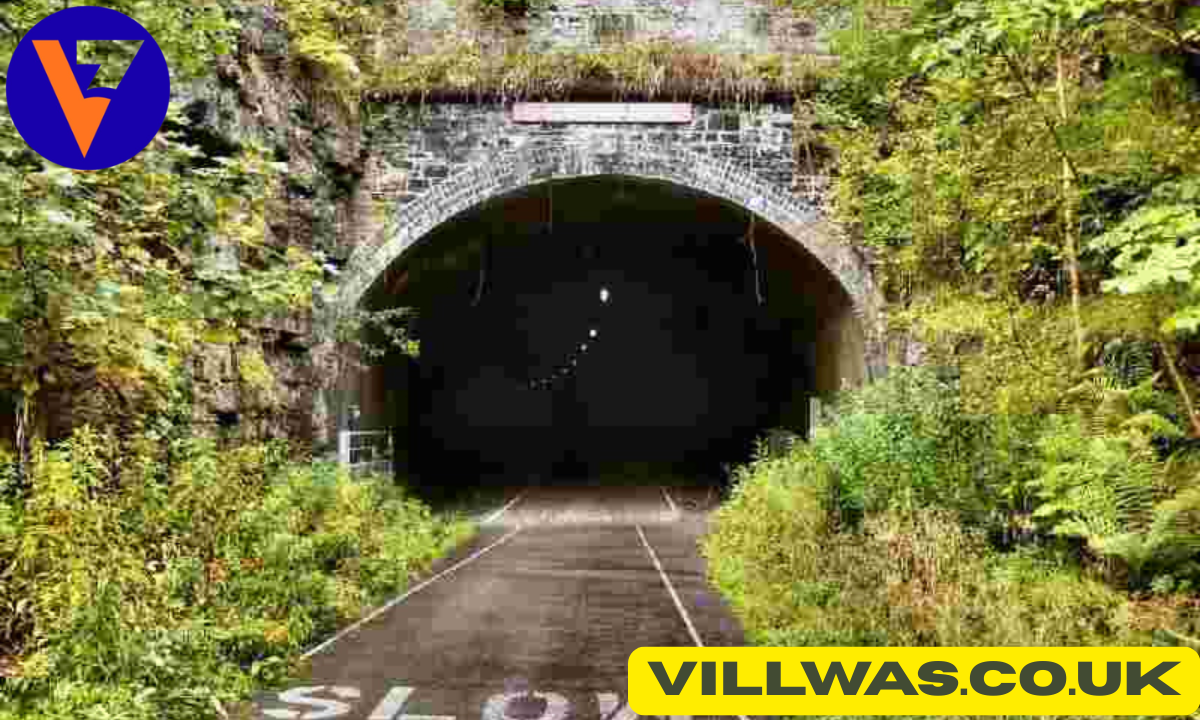
Cressbrook Tunnel is a remarkable historical feature located in the Peak District of Derbyshire. Originally part of the Midland Railway, it was designed to carry trains through the challenging limestone terrain of the region. Today, the tunnel has been transformed into a key section of the Monsal Trail, attracting walkers, cyclists and outdoor enthusiasts from across the UK. Its unique S-shaped structure and well-preserved stonework make it both a fascinating engineering achievement and a scenic landmark worth exploring.
Visiting Cressbrook Tunnel allows people to experience a piece of Victorian railway history while enjoying the natural beauty of Derbyshire. The tunnel’s interior is safely lit, making it accessible for all types of visitors. Many include it as a highlight of their Peak District adventures, appreciating the combination of historical significance, architectural ingenuity and outdoor recreation that Cressbrook Tunnel offers.
History of Cressbrook Tunnel
Cressbrook Tunnel was constructed in the mid-19th century by the Midland Railway as part of the line connecting Manchester and London. The tunnel was carefully engineered to navigate the natural limestone landscape, featuring an S-shaped alignment that required precise planning. This design allowed trains to maintain a smooth route despite the region’s challenging topography. It was considered an important achievement of Victorian engineering, reflecting both technical skill and foresight in railway construction.
Over the years, the tunnel played a significant role in transporting goods and passengers through the Peak District. It remained in operation for over a century before the decline of rural railway traffic led to its eventual closure in the late 1960s. Despite the cessation of train services, the tunnel itself was preserved and later repurposed, ensuring that its historical and cultural value remained recognised for future generations.
Cressbrook Tunnel Closure and Railway Transformation
The closure of Cressbrook Tunnel was part of a wider reduction in rural railway lines across the UK. Falling passenger numbers and the rise of alternative transport options made the line unsustainable. Although the closure marked the end of its original railway function, it also created an opportunity for the tunnel and the surrounding route to be repurposed. This shift allowed the structure to transition from industrial use to recreational use.
In the early 21st century, Cressbrook Tunnel became a key part of the Monsal Trail, a walking and cycling route developed along the old railway corridor. This transformation preserved the tunnel’s historical features while providing modern infrastructure for visitors. Today, the tunnel is carefully maintained and lit, making it safe and accessible. The repurposing of Cressbrook Tunnel stands as an excellent example of heritage preservation combined with outdoor tourism development.
Cressbrook Tunnel on the Monsal Trail
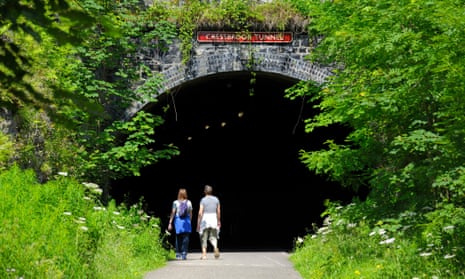
The Monsal Trail is a popular recreational route that follows the path of the former railway line, and Cressbrook Tunnel is one of its most notable features. Stretching for approximately 471 yards, the tunnel allows walkers and cyclists to travel beneath the Peak District’s limestone hills in a unique and atmospheric environment. Its curved, S-shaped structure provides an intriguing contrast to the open landscapes surrounding the trail.
Visitors often combine a walk or cycle through Cressbrook Tunnel with exploration of nearby landmarks, including Monsal Dale and Cressbrook Mill. The tunnel enhances the overall trail experience, providing a historical and scenic highlight along the route. Improved lighting inside the tunnel ensures safety and visibility, allowing tourists to enjoy the Monsal Trail regardless of the season. The tunnel’s integration into the trail has made it a significant attraction for Derbyshire tourism.
Cressbrook Tunnel Walk Experience
The Cressbrook Tunnel walk offers an engaging and accessible experience for visitors of all ages. The walk along the Monsal Trail is relatively moderate, suitable for families, casual walkers and cyclists. Along the way, visitors encounter impressive limestone scenery, riverside views and the tunnel’s distinctive interior. Many people find the contrast between the dark tunnel and bright countryside particularly striking.
During the walk, it is possible to learn about the tunnel’s history and architectural features, enhancing the visitor experience. The route through Cressbrook Tunnel is well-maintained and clearly marked, allowing safe passage for all. Walking through the tunnel provides a sense of adventure while offering a connection to the region’s railway heritage, making it a memorable part of any Peak District itinerary.
Location and Access to Cressbrook Tunnel
Cressbrook Tunnel is situated between Millers Dale and Monsal Dale in Derbyshire, within the Peak District National Park. The location is easily accessible from nearby villages, with parking and public transport options available. Visitors are encouraged to consult a Cressbrook Tunnel map to plan their route along the Monsal Trail and identify key entry points and nearby attractions.
The surrounding area is well-signposted, ensuring that first-time visitors can navigate the trail easily. Its central location in Derbyshire makes Cressbrook Tunnel a convenient destination for both local residents and tourists exploring the Peak District. Access to the tunnel is free, and the combination of history, scenic beauty and recreational opportunities makes it an ideal day-trip destination.
Architecture and Unique Features
Cressbrook Tunnel is renowned for its S-shaped alignment, which was an innovative solution to the challenges posed by the limestone terrain. The tunnel stretches for over 400 metres, featuring solid stone construction that has endured for over a century. Its curved design not only served practical railway needs but also created a visually distinctive structure that continues to impress visitors.
The tunnel’s interior has been modernised with lighting to enhance safety, but its historical character remains intact. The combination of Victorian engineering, stonework quality and the surrounding natural landscape makes Cressbrook Tunnel a fascinating architectural feature. Visitors often appreciate the blend of human ingenuity and natural scenery, which has made the tunnel a highlight of the Monsal Trail.
Nearby Attractions and Scenic Surroundings
The area around Cressbrook Tunnel is rich in scenic beauty and historical landmarks. Nearby Monsal Dale offers dramatic river valleys, limestone cliffs, and picturesque walking routes. Visitors can also explore Cressbrook Mill and other nearby tunnels along the Monsal Trail, allowing for an extended outdoor adventure.
The Peak District scenery surrounding Cressbrook Tunnel provides excellent opportunities for photography and wildlife observation. The tunnel’s location within this natural landscape adds to its appeal, making it not only a historical site but also a key part of the region’s outdoor tourism. Combining a visit to the tunnel with other local attractions enhances the overall experience for visitors.
Visitor Tips for Cressbrook Tunnel
When visiting Cressbrook Tunnel, comfortable walking shoes and appropriate clothing are recommended due to varying trail conditions. Weather in the Peak District can change rapidly, so checking forecasts in advance is advisable. Families and groups are encouraged to plan visits during daylight hours for the best visibility and safety.
Cressbrook Tunnel is suitable for all types of visitors, from casual walkers to cycling enthusiasts. The tunnel is well-maintained and easy to navigate, making it an enjoyable experience for people of all ages. Planning ahead and consulting a map of the Monsal Trail can help visitors make the most of their journey through Cressbrook Tunnel and its surroundings.
Conclusion
Cressbrook Tunnel is a remarkable blend of history, engineering and natural beauty within the Peak District. From its origins as a Victorian railway tunnel to its current role as part of the Monsal Trail, it offers visitors a unique opportunity to explore both heritage and outdoor recreation. The tunnel’s curved design, historical significance and scenic surroundings make it a must-visit attraction in Derbyshire.
For anyone planning a trip to the Peak District, including Cressbrook Tunnel on their itinerary ensures a memorable experience. Its combination of architecture, history, and natural scenery provides both education and adventure. Cressbrook Tunnel continues to be an important landmark, illustrating how historical structures can be preserved and repurposed for modern enjoyment.
Frequently Asked Questions
What is Cressbrook Tunnel?
Cressbrook Tunnel is a historic railway tunnel in Derbyshire, now part of the Monsal Trail in the Peak District.
Where is Cressbrook Tunnel located?
Cressbrook Tunnel is located between Monsal Dale and Millers Dale in Derbyshire, UK.
When was Cressbrook Tunnel built?
Cressbrook Tunnel was built in the 19th century by the Midland Railway.
Why was Cressbrook Tunnel closed?
Cressbrook Tunnel was closed after the railway line was shut down in the late 1960s.
Is Cressbrook Tunnel open to the public?
Yes, Cressbrook Tunnel is open for walkers and cyclists as part of the Monsal Trail.
How long is Cressbrook Tunnel?
Cressbrook Tunnel is approximately 471 yards (around 431 metres) long.
What is special about Cressbrook Tunnel?
Cressbrook Tunnel is famous for its unique S-shaped design and scenic limestone surroundings.
Can you walk through Cressbrook Tunnel?
Yes, visitors can safely walk or cycle through Cressbrook Tunnel.
Also Read: Industrial Applications of Red Oxide of Iron