Cockermouth train station once stood as a proud symbol of Victorian ambition in the heart of Cumbria. Opened in 1865, the station formed part of the Cockermouth, Keswick and Penrith Railway, linking rural communities with expanding industrial centres. At a time when railways were reshaping Britain, this station brought new opportunities for trade, travel and tourism to the historic market town of Cockermouth.
For more than a century, cockermouth train station served passengers, farmers, merchants and holidaymakers exploring the Lake District. Though it closed in 1966, its influence continues to echo through local history and community memory. The story of the station reflects not only the growth of railway travel in northern England but also the social and economic transformation that rail connectivity once delivered.
The Victorian Vision Behind Cockermouth Train Station
The creation of cockermouth train station was rooted in the rapid railway expansion of the nineteenth century. Industrial growth across Cumberland created demand for efficient transport routes connecting coalfields, ironworks and agricultural areas. Railway promoters recognised that linking Cockermouth to neighbouring towns such as Keswick and Penrith would strengthen trade and encourage regional development.
Construction of the line required significant engineering effort, including bridges, embankments and carefully planned track routes through scenic yet challenging terrain. When the station finally opened, it represented progress and prosperity. Residents gained reliable transport, while businesses benefited from faster access to markets beyond the local area, reinforcing Cockermouth’s importance within the region.
Railway Connections and Regional Importance
Cockermouth train station played a vital role within the broader railway network of Cumbria. The line connected with coastal routes serving Workington and other industrial centres, creating an integrated system that supported both freight and passenger travel. Agricultural produce, coal and manufactured goods could move efficiently between towns and ports.
The station also strengthened tourism in the Lake District. Visitors from across England were drawn by dramatic landscapes, lakes and literary heritage. Rail travel made these attractions accessible and affordable. As a result, cockermouth train station grew in reputation as a welcoming gateway to natural beauty, with the station serving as the first impression for many travellers arriving in the area.
Architecture and Daily Life at the Station

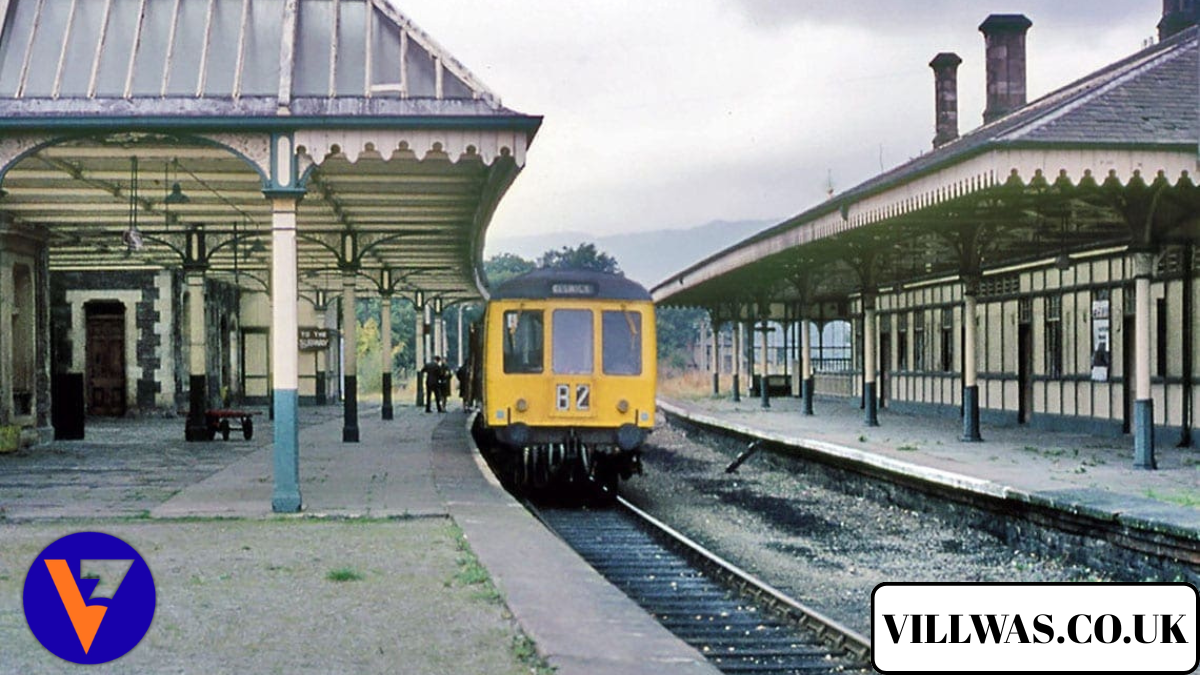
The design of cockermouth train station reflected the practical elegance of Victorian railway architecture. Stone-built structures, covered platforms and a signal box defined its character, while goods yards and sidings accommodated freight operations. The layout balanced efficiency with modest decorative detail, typical of regional stations during that era.
Daily life at the station was lively and purposeful. Porters assisted passengers with luggage, clerks issued tickets, and signalmen ensured trains ran safely and on time. Steam locomotives filled the air with sound and movement, creating a sense of rhythm that became woven into the daily routine of the town. The station was not merely infrastructure; it was a social and economic hub.
Economic and Social Impact on Cockermouth
The arrival of cockermouth train station significantly influenced the town’s economic growth. Farmers gained faster access to distant markets, allowing fresh produce to reach urban centres efficiently. Local businesses expanded as goods could be transported more reliably, strengthening trade links throughout northern England.
Socially, the railway altered patterns of mobility and communication. Families travelled more frequently, and ideas circulated more widely. Educational and employment opportunities broadened as residents could reach larger towns with greater ease. The station therefore shaped not only commerce but also the cultural and social fabric of Cockermouth during the late nineteenth and early twentieth centuries.
Decline in the Twentieth Century
The twentieth century brought dramatic changes to Britain’s transport landscape. Increased car ownership and improved road networks reduced dependence on rural railway lines. Passenger numbers at cockermouth train station gradually declined as buses and private vehicles offered alternative travel options.
Financial challenges within the national railway system led to widespread restructuring during the 1960s. Many rural lines were deemed uneconomic, and closures followed. In 1966, cockermouth train station ceased operations, marking the end of an era. The closure reflected broader national trends that reshaped transport policy and community connectivity across the country.
After Closure and Modern Remains
Following its closure, much of the original infrastructure associated with cockermouth train station was removed or repurposed. Tracks were lifted, and buildings either demolished or adapted for new uses. Over time, nature softened the outlines of the old railway, blending it into the surrounding landscape.
Today, traces of the former line can still be discovered through walking routes and historical records. Enthusiasts and local heritage groups preserve photographs, documents and memories that keep the station’s story alive. Although trains no longer run through Cockermouth, the legacy of the railway remains visible in both the landscape and the collective memory of the community.
Railway Heritage and Continuing Interest
Interest in disused railway stations has grown in recent years, and cockermouth train station is no exception. Railway history appeals to those fascinated by industrial heritage, architectural design and the transformative power of transport. The story of the station offers insight into how infrastructure once shaped regional development.
Discussions about sustainable transport and regional connectivity have also renewed attention on former railway routes. While there are no current plans to reopen the line, its historical significance continues to spark debate and curiosity. The memory of cockermouth train station remains a meaningful part of Cumbria’s heritage narrative.
Conclusion
Cockermouth train station stands as a powerful reminder of Britain’s railway age. From its optimistic Victorian beginnings in 1865 to its closure in 1966, the station played a central role in shaping trade, tourism and daily life in the town. Its presence transformed Cockermouth into a connected and dynamic community.
Although silent today, the legacy of cockermouth train station endures in local history and the surrounding landscape. Its story reflects wider national themes of progress, adaptation and change. By exploring its past, we gain a deeper understanding of how railways influenced the development of rural England and continue to inspire fascination generations later.
Frequently Asked Questions
When did Cockermouth train station open?
It opened in 1865 as part of the Cockermouth, Keswick and Penrith Railway.
When did Cockermouth train station close?
It officially closed in 1966 during nationwide railway reductions.
Why was Cockermouth train station closed?
It closed due to declining passenger numbers and financial restructuring of British railways.
Is there a train station in Cockermouth today?
No, Cockermouth does not currently have an operational railway station.
What railway line was Cockermouth train station part of?
It was part of the Cockermouth, Keswick and Penrith Railway line.
Can you still visit the old station site?
Yes, some remnants and sections of the former railway route can still be explored.
What is the nearest train station to Cockermouth now?
Workington and Penrith are among the nearest active railway stations.
Also Read: Airport Facilities and Passenger Experience