
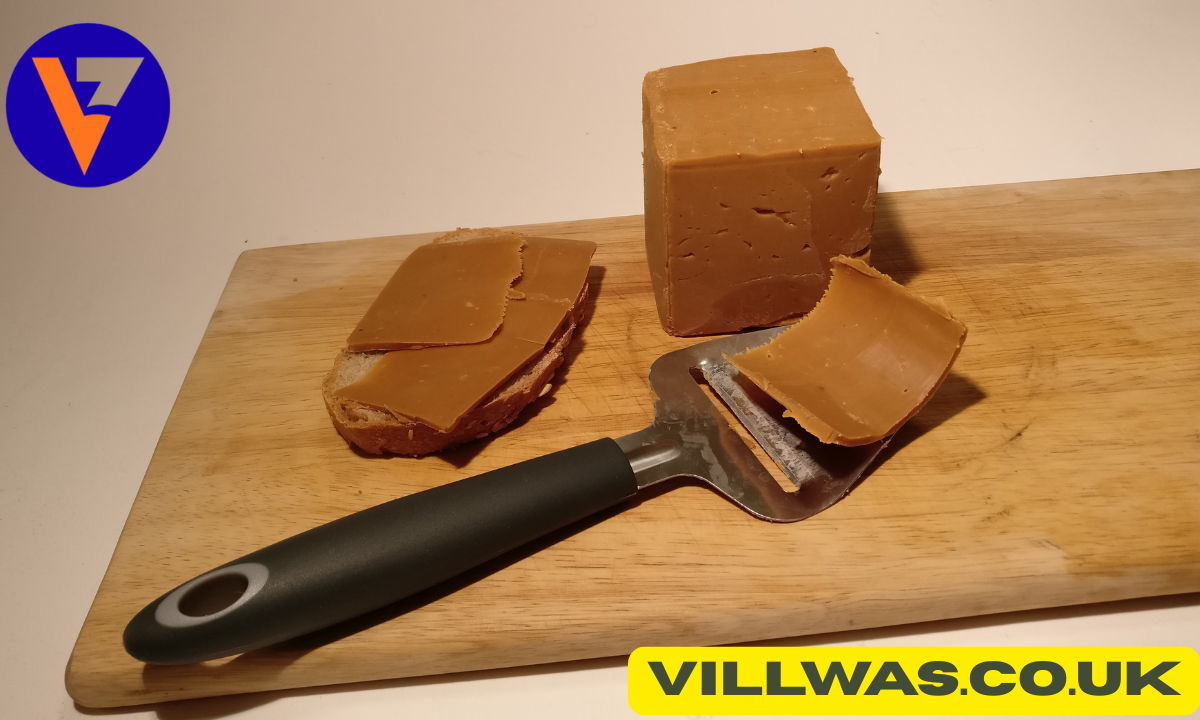
Cheeses from Norway are a fascinating blend of tradition, flavour, and craftsmanship. Renowned worldwide, these cheeses range from the iconic sweet Brunost to the nutty Jarlsberg and the everyday favourite Norvegia. Norwegian cheeses reflect the country’s unique geography, dairy heritage, and artisanal dedication. From creamy blue cheeses to firm, traditional varieties, cheeses from Norway are more than just food—they represent a deep cultural legacy and are increasingly recognised on the international stage.
The appeal of cheeses from Norway goes beyond taste. These cheeses combine centuries-old techniques with modern production methods, creating flavours that are both rich and distinctive. Many of Norway’s cheeses, including award-winning varieties like Kraftkar, have gained international accolades, highlighting the global appreciation for Norwegian dairy products. For food enthusiasts, cheeses from Norway offer a unique journey into Scandinavian cuisine and culinary traditions that continue to evolve while honouring the past.
History of Cheeses from Norway
Cheeses from Norway have a long and rich history dating back centuries. Originally, Norwegian farmers developed cheese-making techniques to preserve milk for long winters and provide a reliable source of nutrition. Traditional varieties, such as Gamalost and Brunost, evolved from these practical beginnings. Brunost, in particular, emerged as a unique by-product of whey, giving it its characteristic caramel sweetness, which has become a beloved symbol of Norwegian cheese culture.
Over time, cheeses from Norway adapted to regional climates and local tastes. While small villages continued producing traditional recipes, modern Norwegian cheesemakers began experimenting with textures, flavours, and aging processes. Today, cheeses from Norway represent a balance between heritage and innovation, combining time-honoured methods with contemporary techniques. This history not only preserves cultural identity but also gives international cheese lovers a glimpse into Norway’s culinary past.
Popular Types of Norwegian Cheeses
Among the most celebrated cheeses from Norway is Brunost, often referred to as brown cheese. Known for its sweet, fudge-like texture and caramel taste, Brunost is commonly served on bread, waffles, or even alongside fruits. Its unique flavour sets it apart from other cheeses and makes it a defining element of Norwegian cuisine. The cheese is versatile, enjoyed in both traditional and modern dishes, and loved by locals and tourists alike.
Jarlsberg is another staple among cheeses from Norway. This semi-hard, mild cheese with large, irregular holes is renowned for its nutty and slightly sweet taste. Jarlsberg is widely exported and often compared to Swiss Emmental, but it retains a distinctly Norwegian character. Norvegia, a mild yellow cheese similar to Gouda, is also popular for daily use. Other notable varieties include Kraftkar, an intense blue cheese with international awards, and Pultost, a sour milk cheese with caraway seeds, showcasing the diversity of cheeses from Norway.
Artisan and Regional Cheese Producers in Norway

Norwegian cheeses are not only about flavour—they also reflect regional craftsmanship and artisan expertise. Small-scale producers like Undredal Stølsysteri specialise in goat cheeses that capture the unique character of Norway’s fjords. Similarly, Eggen Gardsysteri produces Rørosblå, a highly regarded blue cheese, while Ostegården focuses on Brie and Camembert that combine French technique with local ingredients. These artisan cheeses from Norway highlight the country’s dedication to quality and tradition.
Each region of Norway offers distinctive cheeses influenced by climate, terrain, and local dairy practices. Northern areas often produce cheeses with stronger, more pungent flavours, while southern regions focus on mild and creamy varieties. By exploring cheeses from Norway, consumers gain insight into these regional differences, appreciating how local conditions, milk sources, and production techniques shape each cheese’s taste and texture. This artisanal approach continues to drive global recognition for Norwegian cheeses.
How to Enjoy Cheeses from Norway
Cheeses from Norway can be enjoyed in numerous ways, from traditional serving methods to modern culinary innovations. Brunost is often served on waffles or as a sandwich topping, its caramel sweetness balancing with jam or fresh fruit. Jarlsberg and Norvegia are ideal for breakfasts, lunch sandwiches, and cheese platters. Many Norwegian households incorporate these cheeses into daily meals, highlighting their versatility and cultural importance.
For a more gourmet experience, pairing cheeses from Norway with wines, beers, or local delicacies enhances their unique flavours. Cooking with Norwegian cheeses can elevate dishes such as creamy sauces, gratins, soups, and baked goods. Understanding how to enjoy cheeses from Norway allows food enthusiasts to fully appreciate their textures and tastes, whether eaten raw, melted, or incorporated into complex recipes.
Health Benefits of Norwegian Cheeses
Cheeses from Norway are not only delicious but also offer significant nutritional benefits. Rich in protein, calcium, and essential vitamins, they contribute to strong bones and overall health. Traditional varieties, such as Pultost, are low in fat yet full of flavour, providing a balanced option for health-conscious consumers. Other cheeses like Jarlsberg and Norvegia supply healthy fats that support energy and nutrient absorption.
Moderate consumption of cheeses from Norway can form part of a balanced diet. The combination of flavour and nutrition makes them suitable for a variety of meals, from light snacks to hearty dinners. Additionally, the artisanal methods used in production ensure that these cheeses maintain natural ingredients and high quality, allowing consumers to enjoy them with both taste and health in mind.
Awards and International Recognition
Cheeses from Norway have achieved international acclaim, with several varieties winning prestigious awards. Kraftkar, for instance, has been recognised for its intense flavour and quality at the World Cheese Awards, cementing Norway’s reputation on the global stage. These accolades have increased interest in Norwegian cheeses among chefs, food enthusiasts, and international markets.
Recognition extends beyond blue cheeses. Traditional and modern Norwegian cheeses are celebrated for their craftsmanship, taste, and originality. This international attention highlights the expertise of Norwegian cheesemakers and encourages innovation while preserving heritage. Cheeses from Norway are now considered a symbol of quality and culinary artistry, attracting global appreciation and contributing to Norway’s gastronomic reputation.
Conclusion
Cheeses from Norway offer a remarkable mix of tradition, innovation, and taste. From everyday favourites like Norvegia and Jarlsberg to sweet Brunost and award-winning Kraftkar, these cheeses reflect the country’s rich dairy culture. Exploring cheeses from Norway allows food lovers to experience unique flavours, regional diversity, and artisan expertise. Whether enjoyed at home or in gourmet dishes, Norwegian cheeses remain an essential part of Scandinavian culinary heritage and global cheese appreciation.
Frequently Asked Questions
What are the most famous cheeses from Norway?
The most famous cheeses from Norway include Brunost, Jarlsberg, Norvegia, Kraftkar, and Gamalost.
What is Brunost and how is it different from other cheeses?
Brunost is a sweet, caramel-flavoured Norwegian brown cheese made from whey, unlike typical cow’s milk cheeses.
Where can I buy Norwegian cheeses in the UK?
Norwegian cheeses can be bought in specialty stores, gourmet shops, Scandinavian markets, and online retailers in the UK.
Are Norwegian cheeses suitable for cooking or just for eating raw?
Norwegian cheeses like Jarlsberg and Norvegia are versatile for cooking and eating raw, while Brunost is usually eaten raw or on waffles.
Which Norwegian cheeses have won international awards?
Award-winning Norwegian cheeses include Kraftkar, Rørosblå, and other artisanal varieties recognised at the World Cheese Awards.
What is the difference between Jarlsberg and Norvegia?
Jarlsberg is nutty and semi-hard with large holes, while Norvegia is milder, smooth, and similar to Gouda.
How are traditional Norwegian cheeses made?
Traditional Norwegian cheeses are made using cow or goat milk, often with unique fermentation, whey boiling, or ageing processes.