
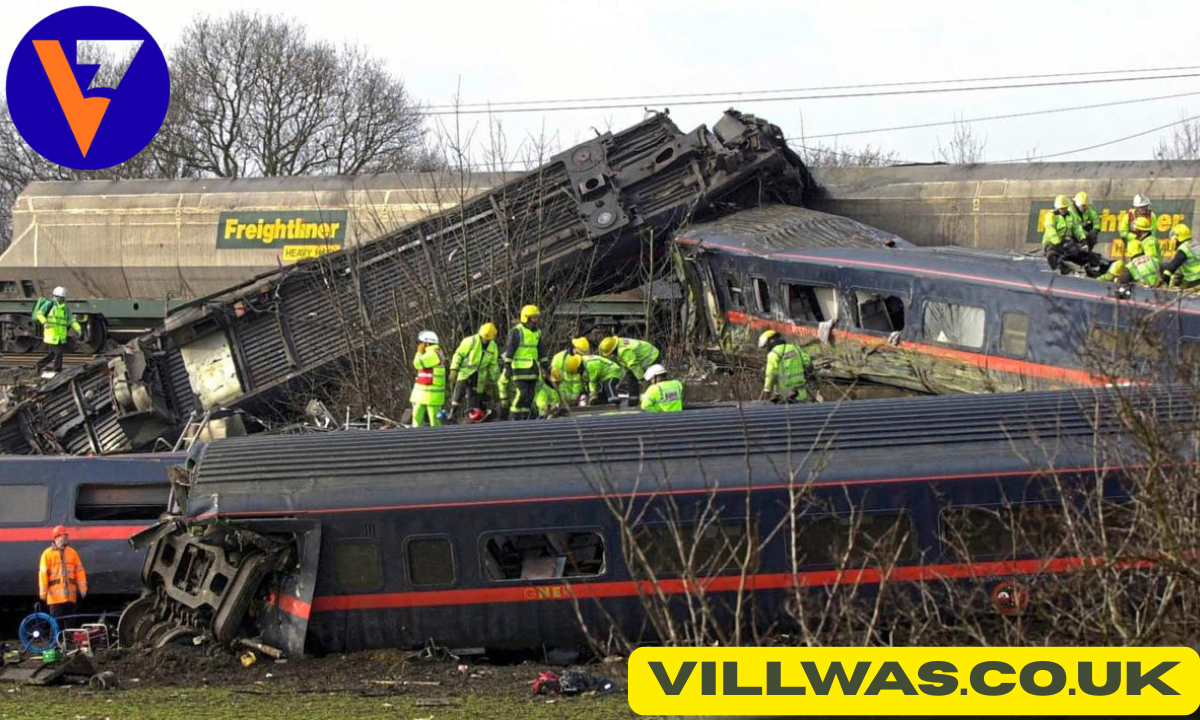
The Hatfield rail crash stands as one of the most impactful railway disasters in modern British history. Taking place on 17 October 2000 in Hertfordshire, the tragedy immediately captured national attention. The hatfield rail crash exposed serious concerns about rail safety, infrastructure management, and the effectiveness of maintenance systems within a privatised railway network.
In the years that followed, the hatfield rail crash became more than just a historical event; it evolved into a symbol of systemic failure and necessary reform. The disaster reshaped public perception of rail travel and forced authorities to rethink safety protocols. As discussions continue, the incident remains a crucial reference point for understanding how safety improvements can emerge from tragedy.
Background of the UK Rail Industry Before the Crash
During the late 1990s, the UK rail industry was undergoing significant transformation following privatisation. The responsibility for infrastructure maintenance fell largely on Railtrack, while various private operators handled train services. This fragmented structure created challenges in coordination, accountability, and consistent safety management across the network.
Concerns had already begun to surface regarding the ageing railway infrastructure and the quality of maintenance practices. Reports suggested that cost-cutting measures and outsourcing had weakened oversight. The hatfield rail crash would later highlight how these systemic issues had been overlooked, allowing critical faults to develop unnoticed and ultimately leading to a catastrophic failure.
Events of 17 October 2000
On the morning of 17 October 2000, a high-speed InterCity 225 travelling from London King’s Cross to Leeds derailed near Hatfield. The train was carrying around 170 passengers when it suddenly left the track at high speed. The hatfield rail crash occurred with little warning, resulting in severe damage to multiple carriages and immediate chaos.
Emergency services responded rapidly, arriving at the scene to rescue trapped passengers and provide medical assistance. The scale of the destruction was immense, with twisted metal and debris scattered across the railway line. The hatfield rail crash 2000 quickly became a national emergency, prompting widespread media coverage and urgent calls for a thorough investigation into its cause.
Causes of the Hatfield Rail Crash

Investigations revealed that the primary cause of the hatfield rail crash was a fractured rail resulting from rolling contact fatigue. This condition occurs when repeated stress weakens the rail over time, eventually causing cracks that can lead to sudden failure. In this case, the rail broke under the pressure of the passing train, triggering the derailment.
The official findings also highlighted significant shortcomings in inspection and maintenance procedures. The hatfield rail crash report pointed to missed warning signs and inadequate monitoring systems. These failures were not isolated incidents but reflected deeper issues within the rail industry, including poor communication and insufficient accountability among those responsible for track safety.
Victims and Human Impact
The human cost of the hatfield rail crash was deeply tragic, with four people losing their lives and more than 70 others sustaining injuries. The hatfield rail crash victims included passengers from various walks of life, each with their own stories and families affected by the disaster. The emotional impact extended far beyond the immediate casualties.
Survivors often spoke of the trauma they experienced, describing the terrifying moments during and after the derailment. Communities across the UK expressed solidarity with those affected, while memorial services were held to honour the victims. The hatfield rail crash remains a poignant reminder of the human consequences of infrastructure failure and the importance of prioritising safety above all else.
Investigation and Legal Proceedings
In the aftermath of the disaster, several investigations were launched to determine the causes and assign responsibility. The Health and Safety Executive played a central role in examining the incident and identifying failures within the system. Their findings revealed serious lapses in maintenance and oversight.
Legal proceedings followed, targeting organisations and individuals involved in the railway’s operation and upkeep. However, many charges were eventually dismissed, leading to public dissatisfaction and debate over accountability. The hatfield rail crash highlighted the complexities of enforcing responsibility in a privatised industry, where multiple parties share overlapping duties.
Impact on UK Rail Safety and Reforms
The hatfield rail crash had an immediate and profound impact on the UK rail network. Widespread speed restrictions were imposed, and extensive inspections were carried out to ensure track safety. These measures caused significant disruption but were necessary to prevent further incidents and restore confidence among passengers.
In the long term, the disaster led to sweeping reforms within the rail industry. Railtrack was replaced, and new safety protocols were introduced to improve monitoring and maintenance practices. The hatfield rail crash ultimately served as a catalyst for change, leading to a safer and more reliable railway system that prioritises passenger well-being.
Legacy of the Hatfield Rail Crash
The legacy of the hatfield rail crash continues to shape railway policies and safety standards in the UK. It is frequently referenced in discussions about infrastructure management and risk prevention. The lessons learned from the tragedy have influenced both national and international approaches to railway safety.
Anniversaries of the hatfield rail crash are marked with remembrance events, ensuring that the victims are not forgotten. The incident serves as a lasting reminder of the consequences of neglect and the importance of vigilance. Its influence endures, reinforcing the need for continuous improvement in public transport systems.
Conclusion
The hatfield rail crash remains a defining moment in the history of British railways, highlighting the dangers of inadequate maintenance and fragmented oversight. While the tragedy resulted in significant loss, it also prompted essential reforms that have improved safety standards across the network.
Today, the hatfield rail crash stands as both a warning and a lesson. By understanding its causes and consequences, the rail industry has been able to evolve and implement stronger safeguards. The memory of the event continues to inspire a commitment to safety, ensuring that such a disaster is never repeated.
Frequently Asked Questions
What caused the Hatfield rail crash?
A broken rail caused by rolling contact fatigue led to the derailment.
When did the Hatfield rail crash happen?
It occurred on 17 October 2000 in Hertfordshire, England.
How many people died in the Hatfield rail crash?
Four people lost their lives and over 70 were injured.
What was the impact of the Hatfield rail crash on UK railways?
It led to major safety reforms and stricter maintenance regulations.
What did the Hatfield rail crash report reveal?
It exposed serious failures in track maintenance and safety oversight.
Who was responsible for the Hatfield rail crash?
Responsibility was linked to maintenance failures involving Railtrack and contractors.
Also Read: Lineup Changes Over the Years