
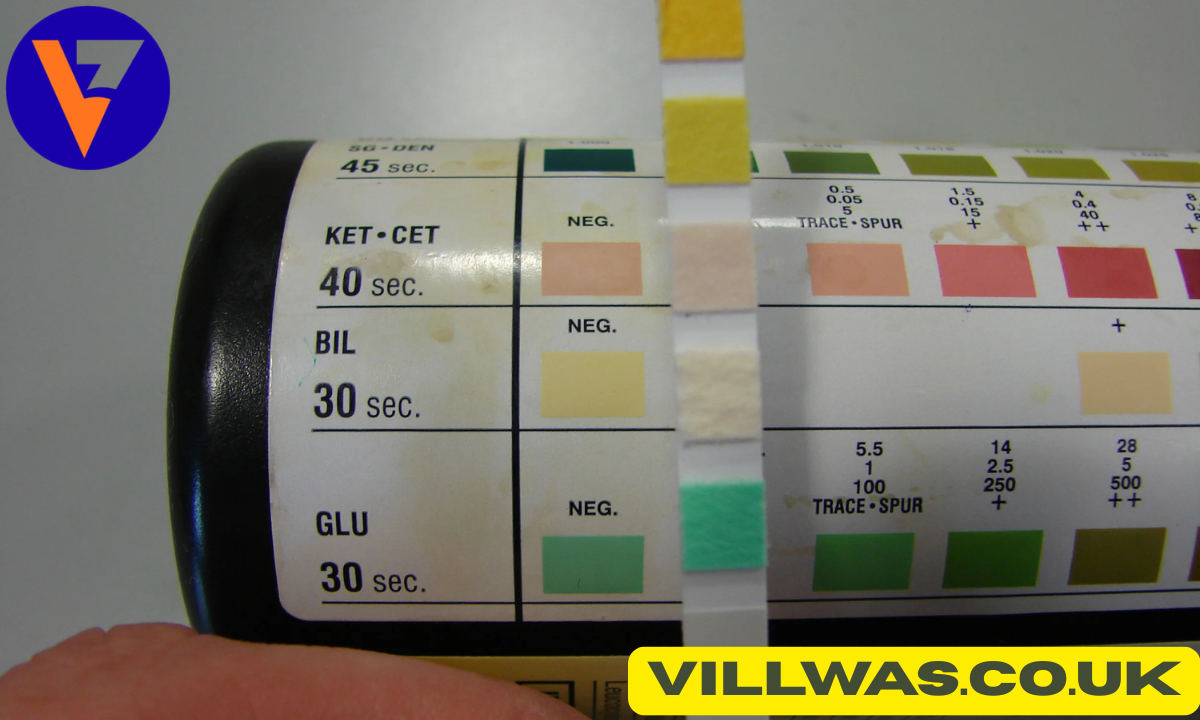
A reagent strip test for urine is a widely used diagnostic tool that allows healthcare professionals to quickly assess a person’s health. This test involves a thin plastic strip coated with chemical reagents, which reacts with substances present in urine. Within seconds, the strip changes colour depending on the components detected. It is particularly useful in identifying conditions such as urinary tract infections, kidney issues, and diabetes, providing a rapid first-line screening method.
The importance of a reagent strip test for urine lies in its speed, convenience, and non-invasive nature. Unlike traditional laboratory tests, it can be performed in clinics, hospitals, or even at home, giving near-instant results. Early detection of abnormalities can help in preventing serious complications, ensuring timely intervention and effective management of health conditions. Understanding the test and its results is essential for both healthcare providers and patients.
What is a Reagent Strip Test for Urine?
The reagent strip test for urine, also known as a urine dipstick test, is designed to detect chemical and cellular substances in urine. Each strip contains multiple pads coated with chemicals that react with specific analytes, including protein, glucose, blood, and nitrites. When dipped into a urine sample, the pads change colour according to the presence and concentration of these substances, giving an immediate indication of potential health concerns.
This test is often used as an initial screening method due to its simplicity and efficiency. It helps identify a wide range of conditions without the need for complex laboratory equipment. Patients with symptoms such as frequent urination, burning sensation, or abdominal discomfort are commonly advised to undergo a reagent strip test for urine. Its versatility and speed make it an indispensable tool in modern healthcare.
How Does the Reagent Strip Test Work?
The working principle of a reagent strip test for urine is based on chemical reactions. Each pad on the strip is formulated to react with a specific substance in urine. When the strip is immersed in a fresh urine sample, the chemicals interact with the analytes, causing a colour change. After dipping, the strip is removed, excess liquid is shaken off, and the resulting colours are compared to a reference chart to interpret the results.
Timing plays a crucial role in obtaining accurate results. Reading the strip too soon or too late can result in false positives or negatives. Some clinics use automated readers to enhance accuracy and reduce human error, though manual interpretation remains common. A reagent strip test for urine provides an immediate snapshot of health, allowing healthcare professionals to identify potential issues efficiently.
Key Parameters Tested by Urine Strips

A reagent strip test for urine evaluates several critical parameters that can reveal underlying health problems. Leukocyte esterase and nitrites indicate the presence of urinary tract infections, while protein levels can highlight kidney damage or stress. Blood in urine may suggest infections, kidney stones, or other urinary complications, whereas glucose and ketones are key indicators of diabetes or metabolic imbalances.
Additional parameters include pH, which measures the acidity of urine, and specific gravity, which assesses concentration. Some strips also detect bilirubin, urobilinogen, and ascorbic acid, which provide insights into liver function and nutritional status. Collectively, these parameters make the reagent strip test for urine a comprehensive tool for early diagnosis and ongoing health monitoring.
Preparing for a Reagent Strip Test
Proper preparation is vital for accurate results from a reagent strip test for urine. A fresh sample should be collected in a clean container, ensuring that the urine is free from contaminants. Samples should ideally be at room temperature, as extreme temperatures can alter chemical reactions. Patients should avoid mixing the sample with water or cleaning agents that could skew results.
Lifestyle factors, medications, and vitamin supplements can affect readings, so it’s important to inform the healthcare provider beforehand. Staying hydrated is essential, as highly concentrated or diluted urine may produce misleading results. By following these preparation guidelines, patients can ensure reliable outcomes from a reagent strip test for urine, aiding in proper diagnosis and monitoring.
Interpreting Reagent Strip Test Results
Interpreting the results of a reagent strip test for urine requires comparing the colour changes on the strip to a reference chart. Each parameter has a specific colour scale indicating normal, borderline, or abnormal levels. Abnormal readings usually necessitate further laboratory testing to confirm the diagnosis, as reagent strips are primarily screening tools.
Several factors can affect accuracy, including the timing of the reading, diet, medications, and vitamin intake. Healthcare professionals evaluate results in the context of a patient’s overall health and symptoms. Understanding the implications of each parameter in a reagent strip test for urine is essential for detecting potential issues such as infections, diabetes, or kidney disease.
Clinical Uses and Benefits
The reagent strip test for urine has wide clinical applications. It is routinely used to screen for urinary tract infections, monitor kidney function, detect diabetes, and assess liver health. Rapid detection enables early intervention, preventing the progression of diseases and reducing the risk of complications. It is particularly useful in primary care settings where quick, actionable results are needed.
One of the main advantages of a reagent strip test for urine is its convenience. It is non-invasive, easy to administer, and delivers immediate results. This makes it suitable for routine health check-ups, home monitoring, and urgent care situations. Its ability to screen multiple parameters at once makes it a cost-effective and practical diagnostic tool for both patients and healthcare providers.
Limitations and Precautions
While highly useful, a reagent strip test for urine has certain limitations. False positives and negatives can occur due to improper timing, dietary influences, medications, or vitamin supplements. It is important to view the test as a preliminary screening method rather than a definitive diagnosis, and abnormal results should be confirmed through laboratory testing.
Healthcare professionals advise that the reagent strip test for urine should be used alongside other diagnostic methods when necessary. Consulting a medical practitioner ensures correct interpretation of results and appropriate follow-up. Awareness of its limitations allows both patients and clinicians to use this tool effectively while avoiding misdiagnosis or unnecessary anxiety.
Conclusion
A reagent strip test for urine is an essential tool for rapid health assessment. By evaluating multiple parameters in a single urine sample, it provides valuable insights into urinary tract infections, kidney function, diabetes, and liver health. While it serves as an excellent screening tool, professional evaluation remains crucial for accurate diagnosis and treatment planning.
Regular use of a reagent strip test for urine can help maintain health awareness, enable early detection of medical issues, and support preventive care. Its simplicity, speed, and non-invasive nature make it a cornerstone of modern healthcare diagnostics, empowering both patients and medical professionals to make informed decisions.
Frequently Asked Questions
What is a reagent strip test for urine used for?
It is used to quickly screen for infections, kidney issues, diabetes, and other urinary problems.
How accurate is a urine reagent strip test?
It provides fast results but may need lab confirmation for precise diagnosis.
How do I prepare for a urine dipstick test?
Collect a fresh, clean urine sample at room temperature, avoiding contamination.
Can diet or medication affect reagent strip results?
Yes, vitamins, medications, and diet can sometimes alter the test outcomes.
How long does it take to get results from a urine reagent strip test?
Results appear within 60–120 seconds after dipping the strip.
What should I do if my urine test shows abnormal results?
Consult a healthcare professional for further tests and evaluation.
Are reagent strip tests safe for children and pregnant women?
Yes, they are non-invasive and generally safe for all ages.
Also Read: Types of Oil Used Inside Transformers