In civil engineering and drainage design, it is vital to define invert level accurately to ensure proper water and wastewater flow. The term refers to the lowest interior point of a pipe, channel, or sewer system, often considered the “floor” of the conduit. Engineers rely on this measurement to plan drainage systems that maintain a natural flow, prevent blockages, and avoid flooding. Understanding how to define invert level helps professionals design efficient infrastructure that lasts for decades.
Defining invert level is not only about measurement but also about the functionality of the drainage system. It determines the gradient and slope necessary for fluids to move by gravity. Without a correctly defined invert level, water may stagnate, sewage could back up, and the entire system may fail to operate as intended. For professionals involved in construction and plumbing, mastering this concept is essential for both planning and practical execution.
What Does Define Invert Level Mean
To define invert level means identifying the lowest point within a pipe or drainage system through which water or wastewater flows. This interior bottom level is a reference for engineers when designing and installing pipelines. Often abbreviated as IL in construction drawings, the invert level is measured relative to a fixed datum, ensuring consistency and accuracy across different segments of a drainage network.
The concept of invert level is critical because it directly affects the efficiency of fluid movement. When engineers define invert level properly, they can create a consistent downward slope that allows gravity to transport liquids smoothly. Misinterpretation of this term can result in incorrectly sloped pipes, reducing the overall performance of sewer systems and drainage networks, and potentially leading to costly infrastructure problems.
Importance of Invert Level in Drainage Systems
The importance of defining invert level in drainage systems cannot be overstated. Properly calculated invert levels ensure that water and wastewater flow naturally, avoiding unnecessary reliance on pumps or mechanical systems. This gravity-assisted movement is not only more efficient but also reduces maintenance requirements and operational costs over time. Engineers must consider this when designing stormwater or sewage systems to maintain long-term functionality.
Another key reason to define invert level accurately is to prevent flooding and structural damage. Improper pipe slopes or misaligned invert levels can cause water accumulation, leading to blockages, pipe corrosion, and foundation issues for nearby structures. By carefully defining invert level, professionals can design systems that manage water effectively, supporting sustainable urban development and protecting public health.
Difference Between Invert Level and Other Pipe Levels
When engineers define invert level, they must distinguish it from other pipe measurements. The obvert level, for example, represents the highest interior point of a pipe, while the invert level is the lowest. Understanding this distinction is essential for proper design, ensuring that pipes are installed with the correct internal slope for efficient flow.
Invert level also differs from ground level, which is the surface above the pipeline. Ground level is crucial for excavation planning and pipe protection but does not indicate flow direction inside the pipe. By clearly defining invert level and understanding its relationship to obvert and ground levels, engineers can accurately plan and install drainage systems that function efficiently from the inlet to the outfall.
How to Calculate or Measure Invert Level
Calculating and measuring invert level is a critical step in civil engineering projects. Surveying tools such as levelling instruments, laser levels, and digital measuring devices are commonly used to determine the precise bottom interior point of pipes. Engineers measure from a reference datum, then adjust for the pipe diameter and slope requirements to ensure a smooth gradient throughout the system.
For practical calculation, the invert level is often derived by subtracting the internal pipe height or radius from the pipe centre level. This provides the exact bottom elevation needed for correct installation. When engineers consistently define invert level using accurate methods, they ensure reliable flow in both stormwater and wastewater systems, reducing the risk of operational issues and maintenance costs.
Applications of Invert Level in Civil Engineering
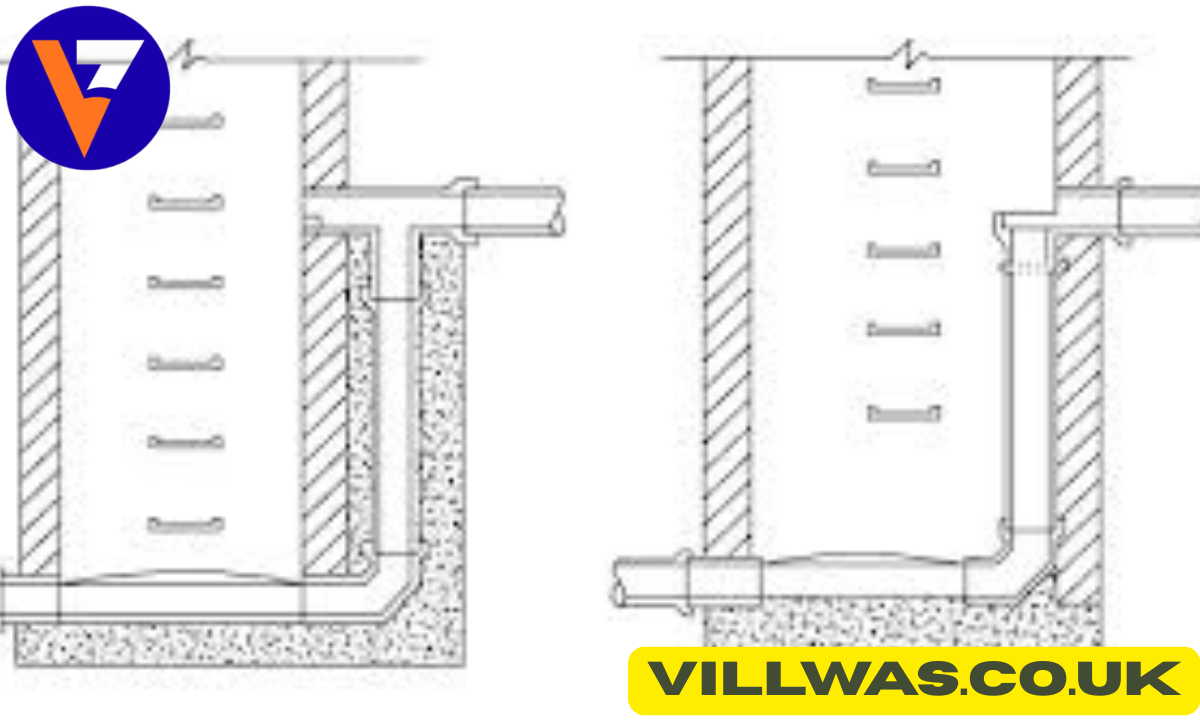
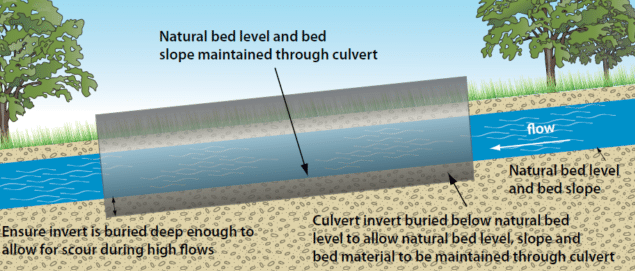
Defining invert level is essential in numerous civil engineering applications. It plays a major role in designing sewer networks, stormwater drainage systems, culverts, and manholes. Engineers rely on invert levels to determine pipe slopes, ensure effective gravity flow, and prevent blockages. Without proper measurement and planning, drainage systems may fail, causing environmental and public health concerns.
Invert levels are also applied in road construction and urban infrastructure projects. Accurate determination of these levels ensures stormwater flows away from streets and buildings, preventing flooding and erosion. By defining invert level precisely, engineers create long-lasting, safe, and functional drainage solutions that support sustainable development in cities and towns.
Common Mistakes and Best Practices
A common error when defining invert level occurs when measurements are inaccurate or slope calculations are overlooked. These mistakes can lead to poor drainage, slow water flow, or even pipe failure. Minor errors in invert level can escalate into major maintenance problems if not addressed during design and installation.
Best practices for defining invert level include double-checking calculations, using precise surveying instruments, and consulting accurate construction drawings. Collaboration between engineers, surveyors, and contractors ensures correct pipe slopes and efficient drainage systems. Following these practices improves system reliability and helps avoid costly repairs over time, demonstrating the importance of defining invert level correctly in every project.
Conclusion
Defining invert level is a cornerstone of effective drainage and sewer system design. Representing the lowest internal point of pipes and channels, it ensures water and wastewater flow efficiently by gravity. Accurate invert level calculations prevent blockages, flooding, and structural damage, supporting both urban infrastructure and environmental management.
Engineers and construction professionals who master how to define invert level can design systems that are durable, cost-effective, and efficient. From sewer networks to stormwater management, proper planning and execution of invert levels guarantee reliable performance, protecting public health and sustaining infrastructure for years to come.
Frequently Asked Questions
What does define invert level mean in drainage systems?
It is the lowest internal point of a pipe or channel guiding water flow.
Why is invert level important in civil engineering?
It ensures proper gravity flow and prevents blockages or flooding.
What is the difference between invert level and obvert level?
Invert level is the bottom interior point; obvert level is the top interior point.
How is invert level calculated in drainage pipes?
It is measured from a reference datum and adjusted for pipe height and slope.
Where is invert level commonly used in construction projects?
It is used in sewer systems, drainage pipes, culverts, and manholes.
Also Read: Professional Career Breakthrough