
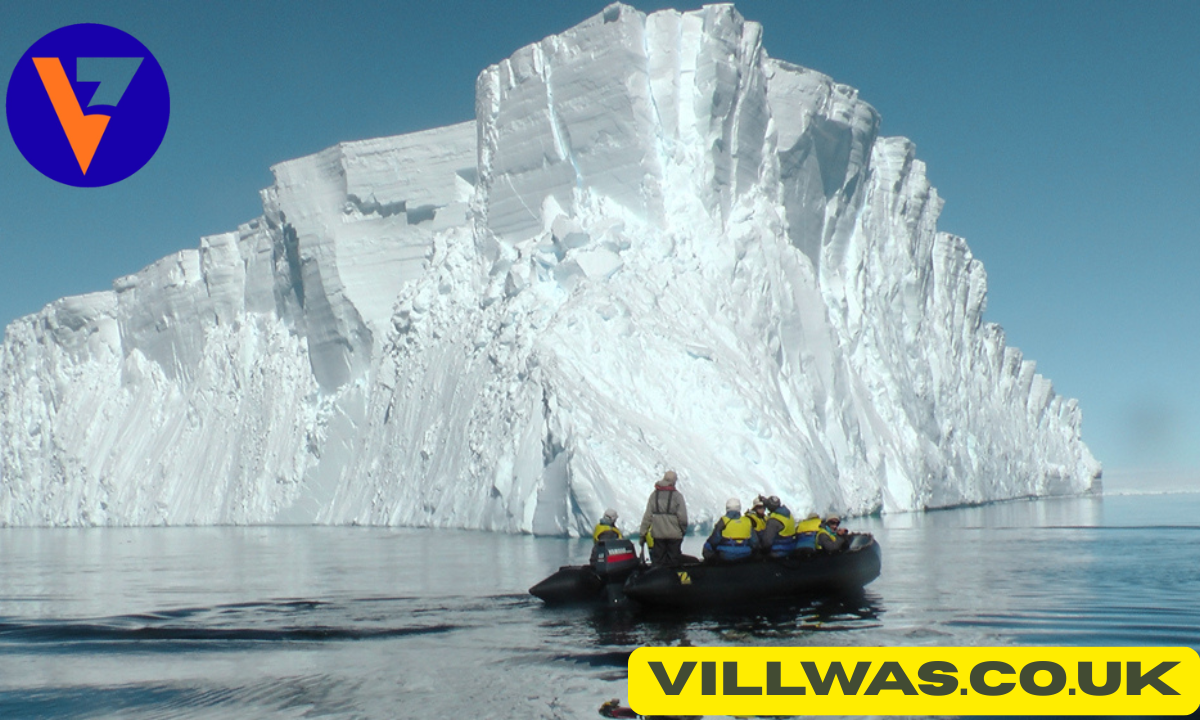
Commonwealth Bay is one of the most fascinating and extreme coastal locations in Antarctica. Situated along the icy shores of East Antarctica, this bay has earned worldwide recognition because of its powerful winds and dramatic polar landscape. Scientists, explorers, and historians often discuss the bay when studying the harsh environmental conditions of the southern continent and the challenges faced by early Antarctic expeditions.
The area known as commonwealth bay is also historically important due to its connection with early polar exploration. Its remote position and severe weather make it one of the most isolated places on Earth. Despite these challenges, the bay continues to attract scientific interest and occasional expedition visits, offering valuable insights into Antarctica’s climate, geography, and natural environment.
Where Is Commonwealth Bay Located
Commonwealth Bay lies on the coastline of George V Land in East Antarctica. It forms a wide opening along the Antarctic coast between Point Alden and Cape Gray, stretching approximately 48 kilometres across its entrance. Facing the Southern Ocean, the bay is surrounded by glaciers, rocky coastal features, and frozen terrain that highlight the raw and untouched beauty of the polar region.
Many people search where commonwealth bay is located when exploring maps of Antarctica. The bay is positioned near Cape Denison, a historic site associated with early Antarctic exploration. Because of its remote location and extreme conditions, reaching this region requires specialised expeditions and ice-strengthened ships capable of navigating the frozen waters.
Commonwealth Bay Antarctica Map and Geographic Features
The geography surrounding Commonwealth Bay makes it one of the most striking coastal landscapes in Antarctica. The bay forms a large embayment along the shoreline, framed by icy cliffs, glacial formations, and frozen seas. The movement of nearby glaciers contributes to the formation of large floating ice masses that occasionally break away to become massive Antarctic icebergs.
On many Antarctic maps, commonwealth bay stands out because of its position near Cape Denison and its broad coastal opening. The terrain surrounding the bay includes rocky peninsulas and ice-covered plateaus, all shaped by thousands of years of glacial activity. These geographical features influence both the climate and the unique environmental conditions that define this remarkable region.
Commonwealth Bay Weather and Climate Conditions

The weather in Commonwealth Bay is known for being extremely cold and unpredictable. Temperatures remain well below freezing for most of the year, and heavy snowstorms frequently sweep across the region. During the Antarctic winter, the environment becomes even more severe, with long periods of darkness, strong winds, and freezing temperatures dominating the landscape.
Weather patterns around commonwealth bay are strongly affected by the Antarctic ice sheet and the surrounding ocean. Cold air flows from the interior of the continent toward the coast, creating powerful wind systems and sudden weather changes. These conditions make the bay one of the most challenging environments for both researchers and explorers working in Antarctica.
Commonwealth Bay Wind Speed and Extreme Conditions
One of the most remarkable aspects of Commonwealth Bay is its extraordinary wind speed. The region is widely recognised as the windiest coastal location on Earth. Average wind speeds often reach around 80 kilometres per hour, while intense gusts can exceed 240 kilometres per hour during severe storms.
The extreme winds in commonwealth bay are caused by a natural phenomenon known as katabatic winds. These winds occur when dense, cold air from the Antarctic plateau flows rapidly downhill toward the coastline. As the air accelerates across the icy slopes, it gathers speed and force, creating the powerful wind conditions that define the bay’s reputation.
History of Commonwealth Bay and Antarctic Exploration
The history of Commonwealth Bay is closely linked with the heroic age of Antarctic exploration. The bay was discovered in 1912 during the Australasian Antarctic Expedition led by the explorer Douglas Mawson. Mawson established the main base of his expedition at Cape Denison, which lies at the head of the bay.
During the expedition, the team constructed wooden shelters known today as Mawson’s Huts. These huts served as living quarters and research stations for the explorers facing some of the harshest weather conditions on Earth. Today, the huts remain preserved as an important historical site, representing the courage and determination of early Antarctic explorers.
Wildlife and Natural Environment Around Commonwealth Bay
Despite its extreme climate, the environment around Commonwealth Bay supports a surprising range of Antarctic wildlife. Seabirds such as petrels and skuas can often be seen flying above the icy coastline, while marine animals inhabit the surrounding waters. These species have adapted to survive in one of the most hostile environments on the planet.
During the brief Antarctic summer, wildlife activity increases near commonwealth bay as penguins and seals appear along nearby shores and ice formations. These animals depend on the nutrient-rich waters of the Southern Ocean for food. Their ability to survive in freezing temperatures highlights the resilience of life in the Antarctic ecosystem.
Scientific Research and Modern Interest in Commonwealth Bay
In modern times, Commonwealth Bay continues to play an important role in scientific research and environmental observation. Researchers study the region to better understand Antarctic weather systems, glacier movement, and the impact of climate change on polar environments. The bay’s extreme winds and icy conditions provide valuable data for scientists analysing global climate patterns.
Expedition teams occasionally visit the region to monitor environmental changes and maintain the historic huts at Cape Denison. These missions help preserve the legacy of early explorers while also supporting ongoing research. Because of its unique environment, commonwealth bay remains an important location for scientists studying the dynamics of Antarctica.
Conclusion
Commonwealth Bay is one of the most remarkable and extreme places on Earth. Known for its powerful winds, icy landscape, and historic exploration heritage, the bay represents the harsh beauty of Antarctica. Its remote location and challenging climate have made it both a scientific laboratory and a symbol of human endurance in the face of nature’s most powerful forces.
From its discovery during the early twentieth century to its continued role in modern scientific research, commonwealth bay remains a place of global fascination. Its history, environment, and extraordinary wind conditions make it an essential part of the story of Antarctica and the exploration of the world’s most remote regions.
Frequently Asked Questions
Where is Commonwealth Bay located?
Commonwealth Bay is located in George V Land on the coast of East Antarctica.
Why is Commonwealth Bay considered the windiest place on Earth?
It experiences powerful katabatic winds that rush down from the Antarctic ice plateau toward the coast.
What is the average wind speed in Commonwealth Bay, Antarctica?
The average wind speed is about 80 km/h, with gusts sometimes exceeding 240 km/h.
What is the weather like in Commonwealth Bay throughout the year?
The weather is extremely cold, windy, and icy for most of the year with frequent snowstorms.
Who discovered Commonwealth Bay in Antarctica?
Commonwealth Bay was discovered in 1912 by the Australasian Antarctic Expedition led by Douglas Mawson.
What is the historical importance of Mawson’s Huts in Commonwealth Bay?
Mawson’s Huts served as the main base for early Antarctic explorers during the 1911–1914 expedition.
Can tourists visit Commonwealth Bay in Antarctica?
Yes, but only a few specialised expedition cruises occasionally visit the remote area.
What wildlife can be found around Commonwealth Bay?
Wildlife near the bay includes penguins, seals, seabirds, and other Antarctic marine species.