
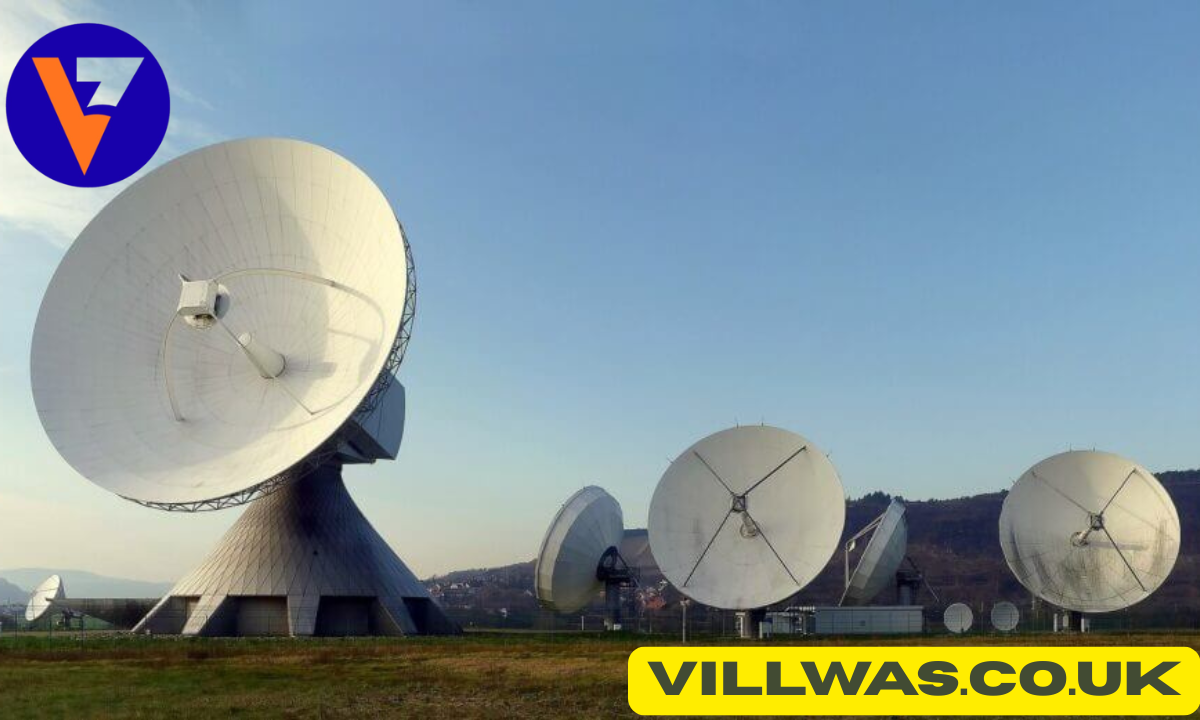
In the modern digital world, high-frequency communication technologies play a vital role in connecting people, devices, and networks across vast distances. One of the most important components that enables this connectivity is the antenna for microwave communication. These specialised antennas are designed to transmit and receive microwave signals efficiently, ensuring reliable data transmission in various industries including telecommunications, satellite communication, and radar systems.
The antenna for microwave technology operates in high-frequency ranges that allow large volumes of information to travel quickly between locations. Because microwave signals can carry significant data capacity, they are widely used in modern infrastructure such as mobile networks, internet backhaul systems, and broadcasting platforms. Understanding how these antennas work and where they are used provides valuable insight into the technology behind today’s communication networks.
Understanding the Basics of an Antenna for Microwave
An antenna for microwave is a specialised device used to transmit and receive electromagnetic waves within the microwave frequency spectrum. These frequencies typically range from around one gigahertz up to several hundred gigahertz. Because microwave signals operate at higher frequencies than traditional radio signals, they are capable of supporting faster data transfer and more efficient communication over long distances.
One of the defining characteristics of a microwave antenna is its ability to focus energy in a highly directional beam. Unlike traditional antennas that broadcast signals in all directions, microwave antennas concentrate the signal toward a specific target. This directional capability allows the antenna for microwave communication to achieve strong signal strength, reduce interference, and support reliable point-to-point communication links.
Working Principle of a Microwave Antenna
The working principle of a microwave antenna is based on the conversion of electrical signals into electromagnetic waves. When a transmitter sends an electrical signal through a transmission line or waveguide, the antenna converts this signal into microwave radiation that travels through the air. At the receiving end, another antenna captures the incoming wave and converts it back into an electrical signal.
A key feature of an antenna for microwave systems is the requirement for a clear line of sight between transmitting and receiving points. Because microwave signals travel in straight lines, obstacles such as buildings, mountains, or dense vegetation can block the signal path. Proper alignment and positioning of antennas are therefore essential to maintain efficient communication and minimise signal loss.
Main Types of Antenna for Microwave

There are several types of microwave antennas, each designed to meet specific communication requirements. One of the most widely recognised designs is the parabolic dish antenna. This antenna uses a curved reflector that focuses microwave signals toward a central feed point, producing a powerful and highly directional beam suitable for satellite communication and long-distance links.
Another common design used in antenna for microwave systems is the horn antenna. This antenna features a flared metal structure that gradually guides electromagnetic waves outward. Horn antennas are often used in radar systems and laboratory measurements. Microstrip patch antennas are also popular in modern devices due to their compact size, lightweight structure, and ability to be integrated into electronic circuits.
Key Performance Parameters of Microwave Antennas
Several performance parameters determine the efficiency and reliability of microwave antennas. Gain is one of the most important factors, representing the antenna’s ability to concentrate signal power in a particular direction. Higher gain allows signals to travel further distances while maintaining strong signal quality, which is essential in long-range microwave communication systems.
Beamwidth is another significant parameter that describes the width of the antenna’s radiation pattern. A narrow beamwidth enables the antenna for microwave communication to transmit signals precisely toward the intended receiver. Other important parameters include polarisation, radiation efficiency, and side lobe levels, all of which influence how effectively the antenna performs in real-world communication environments.
Applications of Antenna for Microwave
Microwave antennas are widely used across many industries due to their ability to transmit high-frequency signals with great efficiency. In the telecommunications sector, an antenna for microwave communication is often used to connect mobile towers to core network infrastructure. These microwave links help carry voice and data traffic between different parts of a cellular network.
Satellite communication is another major application of microwave antennas. Ground stations rely on highly directional antennas to send and receive signals from satellites orbiting the Earth. In addition, radar systems use microwave antennas to detect objects, measure distances, and track movement. These applications are essential in aviation, defence, weather monitoring, and navigation systems.
Advantages and Limitations of Microwave Antennas
One of the primary advantages of microwave antennas is their ability to support high-speed data transmission across large distances. Because microwave signals operate at higher frequencies, they can carry significant amounts of information, making them suitable for modern communication systems that require high bandwidth and fast connectivity.
However, microwave antennas also have certain limitations. One of the most common challenges is their reliance on clear line-of-sight communication. Physical obstacles or extreme weather conditions may interfere with signal propagation. Despite these challenges, the antenna for microwave communication remains a highly reliable solution for many wireless transmission systems when properly installed and maintained.
Installation and Design Considerations
Proper installation is essential to ensure the effective operation of microwave antennas. Engineers must carefully select antenna locations that provide an unobstructed signal path between transmission points. Towers, rooftops, and elevated structures are often used to install microwave antennas so that they can maintain a clear line of sight.
Another important consideration is the precise alignment of the antenna. Even minor misalignment can significantly reduce signal strength and communication efficiency. Regular maintenance and monitoring are also necessary to ensure that the antenna for microwave networks continues to operate reliably, especially in environments exposed to harsh weather or environmental conditions.
Future Trends in Microwave Antenna Technology
Technological innovation continues to improve microwave antenna design and performance. Researchers are developing advanced antenna systems that are more compact, efficient, and capable of handling higher data rates. These developments are particularly important as global communication networks expand and demand for faster wireless connectivity continues to grow.
Emerging technologies such as advanced wireless networks and modern satellite systems are driving further improvements in antenna design. Smart antennas and beamforming techniques allow signals to be directed more precisely, improving communication reliability. As technology evolves, the antenna for microwave communication will remain a crucial component in supporting next-generation wireless infrastructure.
Conclusion
Microwave antennas have become an essential part of modern communication systems, enabling the efficient transmission of high-frequency signals across long distances. Their ability to provide high gain, directional transmission, and reliable performance makes them valuable in industries such as telecommunications, satellite communication, and radar technology.
Understanding the types, working principles, and applications of an antenna for microwave communication helps highlight its importance in today’s connected world. As advancements in wireless technology continue to emerge, microwave antennas will play an increasingly important role in supporting global communication networks and delivering faster, more reliable connectivity.
Frequently Asked Questions
What is an antenna for microwave?
An antenna for microwave is a device used to transmit and receive high-frequency microwave signals for communication systems.
How does an antenna for microwave work?
It converts electrical signals into microwave electromagnetic waves and transmits them through the air to a receiving antenna.
What frequency range do microwave antennas operate in?
Microwave antennas typically operate between about 1 GHz and 300 GHz.
Which antenna is commonly used for microwave communication?
The parabolic dish antenna is the most commonly used microwave antenna because of its high gain and strong directional signal.
Where are microwave antennas used?
They are widely used in satellite communication, telecommunications networks, radar systems, and wireless data links.
Why are microwave antennas directional?
They focus energy into a narrow beam to improve signal strength and reduce interference.
What are the main types of antenna for microwave?
Common types include parabolic dish antennas, horn antennas, and microstrip patch antennas.
Do microwave antennas require line of sight?
Yes, most microwave communication systems require a clear line of sight between antennas.
Are microwave antennas affected by weather?
Yes, heavy rain, storms, or atmospheric conditions can sometimes weaken microwave signals.
What is the advantage of using microwave antennas?
They allow high-speed, long-distance data transmission with strong and focused signals.
Also Read: Brentford Population by Wards and Areas