Lath and plastering is one of the most significant traditional building methods used in British homes from the eighteenth century until the early twentieth century. Before plasterboard became widely available, this technique formed the backbone of interior wall and ceiling construction. Its layered system of timber laths and lime plaster created solid, durable surfaces that still exist in thousands of period properties today.
For homeowners and renovators, understanding lath and plastering is essential when dealing with older buildings. Many Victorian and Georgian houses across the UK retain original plasterwork that requires careful maintenance rather than removal. By appreciating how this construction method works, property owners can protect architectural character while ensuring structural stability and long-term performance.
The Origins and History of Lath and Plastering
The development of lath and plastering evolved from earlier construction techniques such as Wattle and daub, which involved weaving wooden strips and covering them with a natural mixture. Over time, builders refined the system by using evenly cut timber laths and lime-based plaster, creating stronger and smoother wall finishes suitable for more refined domestic interiors.
During the Georgian and Victorian periods, lath and plastering became standard practice throughout Britain. Skilled tradesmen perfected the craft, producing decorative cornices and ceiling roses that are still admired today. Although plasterboard replaced traditional methods in the 1930s for convenience and cost efficiency, heritage properties continue to rely on this time-honoured system for authenticity and performance.
Materials Used in Traditional Lath and Plastering
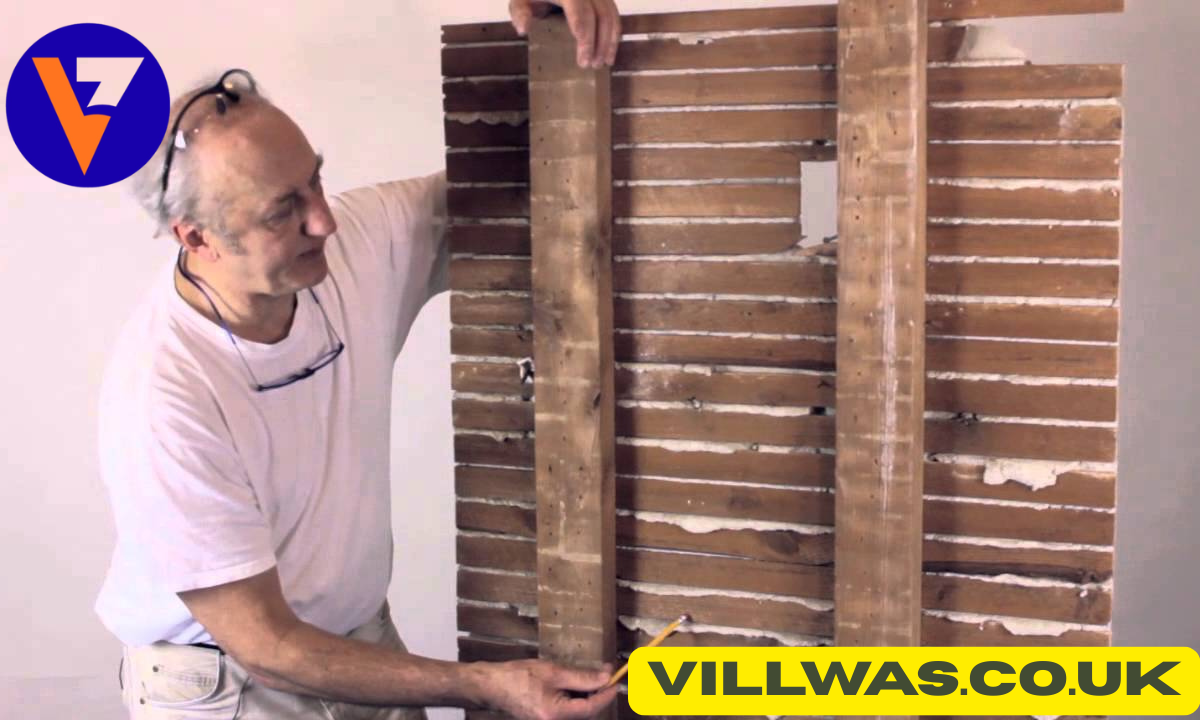
At the heart of lath and plastering are narrow wooden strips known as laths. These are fixed horizontally across wall studs or ceiling joists, leaving small gaps between each strip. When wet plaster is applied, it squeezes through these gaps and hardens at the back, forming secure “keys” that anchor the plaster firmly in place.
The plaster mixture traditionally consisted of lime, sand and water, often strengthened with animal hair to improve flexibility. Lime plaster is breathable, allowing moisture to evaporate naturally from walls. This quality makes lath and plastering particularly suitable for older buildings, where trapped damp can cause serious structural damage if modern, non-breathable materials are used instead.
The Three Coat Process in Lath and Plastering

Lath and plastering follows a structured three-coat application process that ensures durability and a smooth finish. The first layer, known as the scratch or render coat, is pressed firmly onto the laths. This stage is crucial because it forms the keys behind the timber strips, creating the mechanical bond that supports the entire surface.
The second coat, called the floating or brown coat, builds thickness and levels the wall. Finally, a thin setting coat is applied to produce a fine, smooth finish ready for decoration. Each layer must dry properly before the next is added, particularly in the UK’s often damp climate, where controlled ventilation is vital for successful curing.
Common Problems in Lath and Plastering
Over time, lath and plastering can develop issues due to age, structural movement or moisture exposure. One of the most frequent problems is the failure of plaster keys, which can cause ceilings to sag or sections of wall to loosen. Cracks may appear as buildings settle, though not all cracking indicates serious structural failure.
Damp remains another significant concern. If moisture penetrates walls or ceilings, timber laths may rot and plaster may crumble. Early identification of warning signs such as bulging surfaces, persistent cracking or hollow sounds when tapped can prevent more extensive damage and reduce the need for costly full replacements.
Repairing and Restoring Lath and Plastering
Repairing lath and plastering requires specialist knowledge and a careful approach. Minor cracks can often be repaired using compatible lime fillers that blend seamlessly with existing materials. Loose sections may be stabilised with discreet fixings that reattach plaster to the original laths without removing large areas.
In more serious cases, damaged laths may need selective replacement before fresh plaster is applied. Restoration projects should aim to preserve as much original material as possible, especially in listed properties. Retaining traditional lath and plastering not only protects historical character but also maintains the breathable qualities essential for older structures.
Benefits of Preserving Lath and Plastering
There are clear advantages to maintaining original lath and plastering rather than replacing it with plasterboard. The thickness and density of traditional plaster provide superior sound insulation, helping to reduce noise transfer between rooms. This can be particularly beneficial in terraced or semi-detached houses.
Additionally, lime-based plaster offers improved fire resistance compared to some modern alternatives. Its ability to accommodate slight structural movement without immediate cracking also makes it resilient over time. Preserving lath and plastering ensures that period homes retain their authentic appearance and continue to perform effectively.
Lath and Plastering Compared with Modern Plasterboard
Modern plasterboard systems are quicker and cheaper to install, which explains their popularity in contemporary construction. However, they differ significantly from traditional lath and plastering in both structure and performance. Plasterboard is lighter and less labour-intensive, yet it often lacks the solid feel of older plastered walls.
In heritage properties, replacing original surfaces with plasterboard can diminish architectural value and alter internal proportions. Lath and plastering, by contrast, maintains original detailing and depth. For homeowners undertaking sympathetic renovations, preserving traditional methods often proves the more appropriate long-term solution.
Costs and Considerations in the UK
The cost of working with lath and plastering varies depending on the extent of repair required and the accessibility of the affected area. Minor crack repairs may be relatively affordable, while extensive ceiling restorations demand skilled labour and careful preparation. Listed building consent may also influence timelines and expenses.
Although restoration can appear more costly than installing new plasterboard, it often represents better value in period properties. Maintaining original construction supports property value and avoids potential damp issues caused by incompatible materials. Investing in proper repair ensures that lath and plastering continues to perform for decades.
Conclusion
Lath and plastering remains a defining feature of traditional British architecture. Its layered construction, breathable lime composition and enduring strength have allowed countless historic interiors to survive for generations. While modern materials offer convenience, they rarely match the character and performance of this classic system.
For homeowners, renovators and conservation specialists, understanding lath and plastering is essential when caring for period properties. By choosing thoughtful repair and restoration over unnecessary replacement, it is possible to preserve heritage, enhance durability and maintain the timeless beauty that defines so many UK homes.
Frequently Asked Questions
What is lath and plastering used for?
Lath and plastering is used to construct and finish interior walls and ceilings in traditional buildings.
Is lath and plastering stronger than plasterboard?
Yes, lath and plastering is generally more durable and offers better sound insulation than standard plasterboard.
How long does lath and plastering last?
Properly maintained lath and plastering can last well over 100 years in UK homes.
Can lath and plaster walls be insulated?
Yes, insulation can be added carefully without removing original lath and plastering.
How do you repair cracks in lath and plastering?
Cracks are usually repaired using compatible lime filler and careful surface preparation.
Is lath and plastering dangerous due to asbestos?
Traditional lath and plastering does not contain asbestos, but later repairs may include asbestos-based materials.
Should I replace or restore original lath and plastering?
Restoration is usually recommended to preserve character and maintain breathability in period properties.
How much does lath and plastering repair cost in the UK?
Costs vary, but small repairs may start from a few hundred pounds depending on damage and access.
Also Read: Costa Rica Islands Map and Locations