British semaphore signals have been a defining feature of the UK railway system for over a century. These mechanical signals provided clear visual instructions to train drivers long before electronic systems were introduced. By using pivoted arms and precise positioning, semaphore signals conveyed whether it was safe to stop, proceed, or exercise caution. They were essential in preventing accidents and maintaining smooth operations across busy railway networks.
Despite advances in modern signalling technology, British semaphore signals remain an iconic part of railway heritage. Many heritage railways still use them for demonstration, while museums display fully operational signals to educate the public. Understanding these signals offers insight into the ingenuity and precision that shaped the UK railway system.
History of British Semaphore Signals
The history of British semaphore signals stretches back to the 1840s when the rapid expansion of railways demanded an effective communication system for train drivers. Early semaphore designs were simple, often consisting of a pivoted arm attached to a post to indicate whether the track ahead was clear. Over time, upper and lower quadrant designs were introduced, improving visibility and operational efficiency.
By the late 19th century, British semaphore signals had become standard across the majority of mainline railways. Innovations in signal design and operation allowed railways to manage increasingly busy routes safely. Today, preserved signals serve as historical reminders of the challenges early railway engineers overcame to ensure safe train travel.
Types of British Semaphore Signals
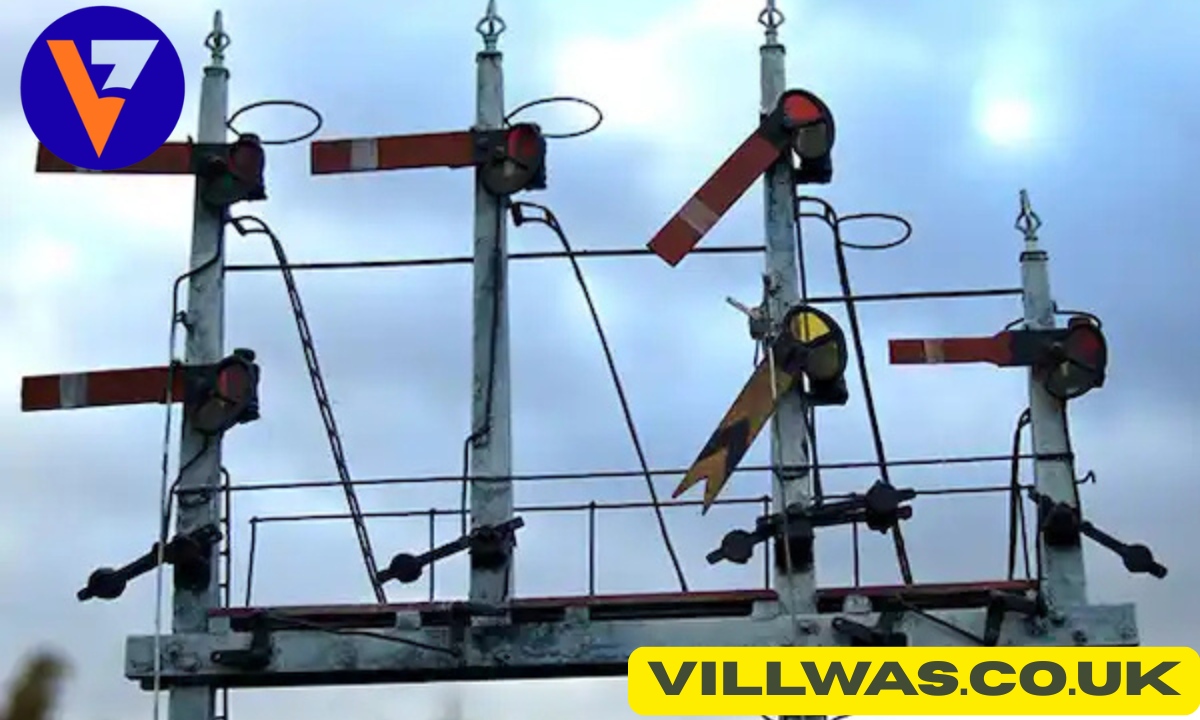
British semaphore signals can be divided into two main types: upper quadrant and lower quadrant. Upper quadrant signals operate by raising the arm to indicate a clear track, while lower quadrant signals use a downward motion to indicate the same. Each design offered advantages in terms of visibility and safety under different conditions.
Within these categories, there are several key types of signals, including home, distant, starter, and stop signals. Home signals control access to stations and junctions, distant signals warn drivers of upcoming conditions, and starter signals indicate when it is safe to depart. Learning about these types is essential for anyone studying UK railway operations or historical signalling systems.
How British Semaphore Signals Work
The working mechanism of British semaphore signals is straightforward yet highly effective. The pivoted arm, sometimes referred to as a blade, moves to specific angles to communicate instructions. A horizontal arm typically means ‘stop’, a 45-degree angle signals caution, and a raised or lowered arm indicates ‘clear’.
For night operation, lamps and coloured lenses were added to ensure visibility in low-light conditions. This combination of mechanical motion and visual cues allowed British semaphore signals to provide reliable guidance to train drivers regardless of the time of day. The system was both practical and durable, contributing to its longevity in UK railways.
Components of a Semaphore Signal

British semaphore signals are made up of several critical components. The signal post provides the structural support, while counterweights and pulleys ensure smooth arm movement. Connecting rods link the arm to a signal box, where an operator can manually control the position of the arm.
Signal boxes were an integral part of railway operations. Operators monitored train movements and adjusted semaphore signals to prevent collisions and maintain schedules. The combination of human oversight and mechanical engineering made semaphore signalling highly reliable and safe, even in busy railway corridors.
Modern Use and Preservation
Although modern colour-light signalling has replaced most semaphore signals on mainlines, British semaphore signals are still operational on heritage railways. Many historical railways maintain these signals in working order to demonstrate traditional railway operations to visitors and enthusiasts.
Preservation efforts also extend to railway museums, where British semaphore signals are displayed with explanatory notes and interactive exhibits. These preserved signals provide a tangible connection to the past, allowing visitors to experience how railway safety and communication were managed before modern technology.
Safety and Operational Importance
Safety has always been the core purpose of British semaphore signals. By providing clear and unambiguous instructions, semaphore signals helped prevent accidents, particularly on busy routes with multiple trains. Drivers relied on the precise positions of the arms to know when to slow down, stop, or continue.
The operational importance of semaphore signals also lies in their integration with signal boxes and railway staff. Signalmen coordinated movements across stations and junctions, ensuring trains could travel safely and efficiently. Even today, studying these signals provides valuable lessons in mechanical communication, safety, and human oversight.
Conclusion
British semaphore signals are more than just mechanical devices; they are an enduring symbol of the UK’s railway heritage. From their early development in the 19th century to their preservation on heritage railways, semaphore signals reflect the evolution of railway safety and technology. They continue to inspire railway enthusiasts, engineers, and historians, highlighting the ingenuity required to manage one of the world’s busiest and most complex railway networks.
FAQs
What are British semaphore signals?
Mechanical railway signals using pivoted arms to guide trains safely.
How do British semaphore signals work?
The arm moves to specific angles indicating stop, caution, or clear.
Are British semaphore signals still used?
Yes, primarily on heritage railways and museums.
What is the difference between upper and lower quadrant signals?
Upper quadrant raises the arm for ‘clear’; lower quadrant lowers the arm.
Why are British semaphore signals important?
They ensure safe and effective communication with train drivers.
Can semaphore signals be automated?
Some have been adapted for electrical control, though manual operation is traditional.
Also Read: Things to See and Do