Friern Barnet Mental Hospital remains one of the most remarkable former psychiatric institutions in London. Established in the mid-nineteenth century, it originally opened as Colney Hatch Asylum and later became known as Friern Hospital. Its scale, architectural ambition, and long operational history have ensured its place in British medical and social history. Even today, the name friern barnet mental hospital sparks curiosity among historians and urban explorers alike.
The site reflects the dramatic evolution of mental health care in the United Kingdom. From Victorian theories of moral treatment to twentieth-century psychiatric reform, the institution witnessed profound changes in both policy and practice. Understanding friern barnet mental hospital provides valuable insight into how society’s attitudes towards mental illness have shifted over time, moving gradually from isolation towards compassion and community care.
The Victorian Origins and Construction
Friern Barnet Mental Hospital first opened its doors in 1851 as Colney Hatch Asylum, built to relieve overcrowding in other institutions across Middlesex. Designed during a period of rapid urban growth, the asylum was intended to house thousands of patients. At the time, such large establishments were considered progressive, offering structured care away from workhouses and prisons.
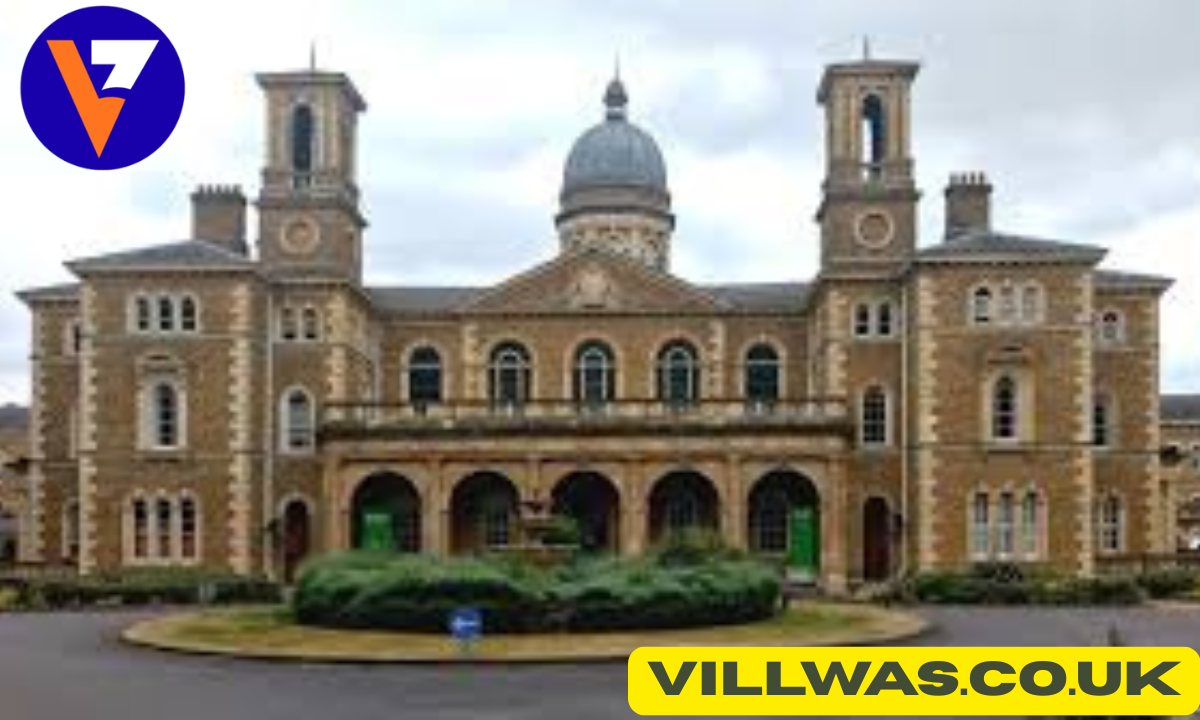
The architecture of friern barnet mental hospital reflected Victorian ideals of order and discipline. Its vast symmetrical design featured extended wings radiating from a central administrative block. The building was constructed with impressive attention to detail, combining practicality with grandeur. This monumental scale made it one of the largest asylums in Europe, setting a new standard for institutional design during the nineteenth century.
Daily Life and Treatment Practices
Life inside friern barnet mental hospital varied across decades, but routine played a central role in patient care. In its early years, patients were encouraged to participate in work such as farming, laundry, and maintenance tasks. These activities were believed to restore discipline and stability, reflecting the Victorian concept of moral management as a therapeutic approach.
By the twentieth century, medical science began influencing treatment methods more directly. New psychiatric theories led to the introduction of clinical interventions, including emerging therapies that were seen as modern at the time. Despite these developments, overcrowding and limited resources often posed challenges. The history of friern barnet mental hospital therefore reveals both sincere reform efforts and the limitations of institutional care.
The Architecture and Famous Corridors
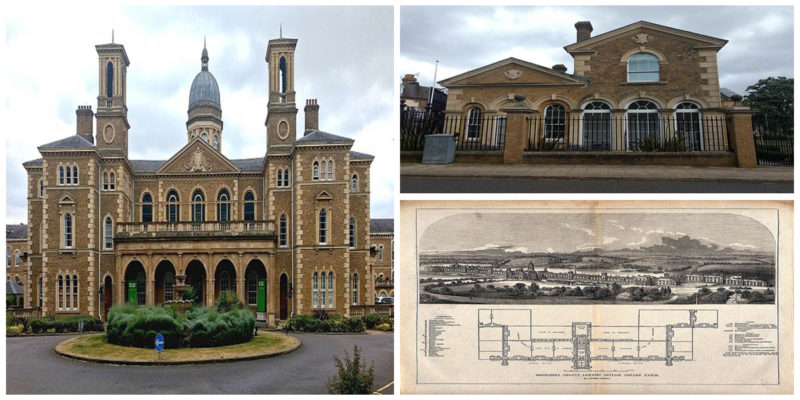
One of the most talked-about features of friern barnet mental hospital was its remarkable corridor system. Long, straight passageways connected wards and administrative areas, allowing staff to supervise patients effectively. These corridors were designed not only for movement but also for observation, reinforcing the structured nature of institutional life.
The friern barnet mental hospital corridor has become iconic in photographs and documentaries. Its repetitive arches and endless perspectives create a striking visual impression, often described as both majestic and unsettling. This architectural feature has contributed significantly to the hospital’s enduring fascination, symbolising the scale and authority of Victorian psychiatric institutions.
Renaming and Twentieth-Century Reform
In 1937, the asylum was renamed Friern Hospital, reflecting changing attitudes towards mental health terminology. The word “asylum” had developed negative associations, and the rebranding aimed to signal a more medical and less custodial approach. This change marked an important moment in the identity of friern barnet mental hospital.
Following the establishment of the National Health Service in 1948, the hospital became part of a national framework of healthcare provision. Gradually, policies began to shift towards deinstitutionalisation, encouraging treatment within community settings rather than large hospitals. These reforms significantly reduced patient numbers and altered the operational structure of friern barnet mental hospital during its later decades.
Closure and Redevelopment
Friern Hospital officially closed in 1993 after more than 140 years of service. The closure formed part of a nationwide strategy to replace large psychiatric institutions with smaller, community-based facilities. For many former staff and patients, the end of friern barnet mental hospital represented both progress and the loss of a historic establishment.
After its closure, the Grade II listed building was carefully restored and transformed into luxury residences known as Princess Park Manor. The redevelopment preserved much of the original exterior architecture while adapting the interior for modern living. Today, the site stands as a striking blend of heritage and contemporary design, maintaining the visible legacy of friern barnet mental hospital.
Haunted Legends and Public Fascination
Over time, friern barnet mental hospital has gained a reputation for being haunted. Stories of unexplained sounds, ghostly figures, and eerie atmospheres have circulated widely online and within local folklore. Such tales often focus on the long corridors and the emotional weight associated with the building’s past.
While there is no verified evidence supporting paranormal claims, the haunted reputation reflects broader cultural fascination with former asylums. Buildings with complex histories often inspire imaginative interpretations. In the case of friern barnet mental hospital haunted stories, myth and memory intertwine, enhancing its mystique while overshadowing documented historical facts.
Cultural and Historical Legacy
The legacy of friern barnet mental hospital extends beyond its architectural presence. It serves as an important case study in the evolution of psychiatric care in Britain. Researchers frequently examine its operational history to understand how policies, treatments, and social attitudes changed across more than a century.
Today, the preserved structure continues to capture public interest. Local history groups and heritage enthusiasts recognise its importance within the London Borough of Barnet. The enduring attention given to friern barnet mental hospital highlights its role not merely as a building, but as a symbol of shifting perspectives on mental health and institutional responsibility.
Conclusion
The story of friern barnet mental hospital is one of transformation and reflection. From its Victorian beginnings as Colney Hatch Asylum to its modern incarnation as residential apartments, the site embodies significant chapters of British social and medical history. Its grand corridors and imposing design remain powerful reminders of a different era.
Exploring the history of friern barnet mental hospital allows us to appreciate how far mental health care has progressed in the United Kingdom. While its institutional past may evoke mixed emotions, the building stands today as a testament to change, resilience, and the ongoing conversation surrounding compassionate care in contemporary society.
Frequently Asked Questions
When did Friern Barnet Mental Hospital open?
It opened in 1851 as Colney Hatch Asylum in North London.
When did Friern Barnet Mental Hospital close?
It officially closed in 1993 as part of NHS deinstitutionalisation reforms.
Why was it renamed Friern Hospital?
It was renamed in 1937 to remove the stigma associated with the word asylum.
Is Friern Barnet Mental Hospital haunted?
There are local legends and ghost stories, but no verified paranormal evidence.
What is Friern Barnet Mental Hospital used for today?
The building has been converted into luxury apartments called Princess Park Manor.
What was the Friern Barnet Mental Hospital corridor known for?
It was famous for its extremely long Victorian corridors designed for supervision and control.
Also Read: Architectural Features and Estate Layout