Chard Central Railway Station has long been a cornerstone of Somerset’s railway history. Opened in 1866, it served as the main hub for both passengers and goods travelling to and from Chard. For almost a century, it connected the town with larger cities like Taunton and Exeter, fostering trade, communication, and social mobility. Its presence was not just functional but symbolic, reflecting the growth of Victorian rail infrastructure in rural England.
The station played a significant role in shaping the daily life of the town. Local farmers, merchants, and travellers relied on its services, making chard central railway station an essential part of the community. Even though trains no longer run there, the station remains a heritage landmark, representing the history of Somerset’s railways and the impact of industrial transport on regional development.
The Origins of Chard Central Railway Station
The opening of chard central railway station in 1866 marked a major milestone for Chard and its surrounding areas. Built by the Bristol and Exeter Railway, it was originally named Chard before being renamed Chard Joint due to cooperation with the London and South Western Railway. The station featured a practical Victorian design with brick buildings, separate platforms, and facilities for both passenger and freight services, reflecting the dual purpose of rural railway stations at the time.
The station’s establishment was part of a broader movement to improve transport connectivity in Somerset. By linking Chard to major lines, it allowed the movement of goods and people more efficiently than ever before. The renaming to Chard Central Railway Station in 1949 highlighted its status as the town’s primary rail terminus, cementing its importance in the local transport network.
Expansion, Operations and Daily Life at the Station
During its operational years, chard central railway station was a bustling hub of activity. It served as a terminus for trains heading to Taunton and other major towns, connecting with the Great Western Railway network. Staff managed separate facilities for passenger and goods services, ensuring smooth operations despite the complexities of joint railway management. The station’s careful layout allowed multiple trains to run efficiently, reflecting the advanced planning of Victorian railway engineering.
Life at chard central railway station was dynamic and diverse. Passengers included commuters, schoolchildren, and families visiting neighbouring towns, while freight services carried agricultural products, textiles, and other local goods. The station also created employment opportunities and supported local businesses, making it a vital part of Chard’s economic and social fabric. Its presence shaped the rhythm of daily life, making it central to the community.
The Closure of Chard Central Railway Station in 1962
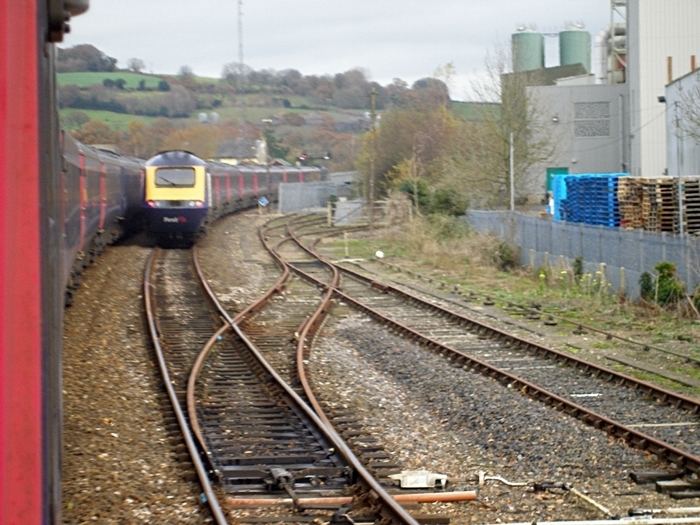
By the mid-20th century, many rural railways were in decline due to changing transport habits. Rising car ownership and improved road networks led to fewer passengers using the train. Chard Central Railway Station closed to passenger services in September 1962, ending decades of continuous operation. Goods services continued briefly but the station was fully closed by 1966, reflecting wider national trends in railway reduction.
The closure was influenced by the recommendations of Richard Beeching, whose reports sought to reduce losses in the national rail system. While the station’s closure marked the end of an era, it also highlighted the evolving priorities in transport policy. The town had to adapt, and the station’s story became part of the broader narrative of rural railway decline in the UK.
Chard’s Other Railway Stations and Network Context
Chard historically had three railway stations, each serving a distinct role. In addition to chard central railway station, there was Chard Town railway station and Chard Junction railway station. Chard Town primarily served local branch lines, while Chard Junction connected to the main line, enabling access to larger cities. Together, these stations formed a compact but significant network supporting both passengers and freight.
The proximity of multiple stations in a small town reflected the competitive and cooperative dynamics of Victorian railway companies. Although passenger services eventually ceased, the network’s existence demonstrates how transport infrastructure shaped Chard’s economic and social development. The story of Chard’s railway stations provides insight into the importance of connectivity in regional growth and the eventual challenges faced by rural lines.
The Station Building Today and Its Listed Status
Although trains no longer run from the site, the building of chard central railway station remains an important heritage landmark. It has been granted Grade II listed status, recognising its architectural and historical significance. Preservation ensures that the building continues to tell the story of Somerset’s railway history, offering visitors a tangible connection to the past.
Today, the station building houses The Original Factory Shop, blending modern commercial use with historic preservation. Its architecture retains the charm and functionality of its original design, including the brickwork and platform layout. The preservation of chard central railway station highlights the balance between practical reuse and safeguarding cultural heritage, serving as a lasting reminder of the town’s railway legacy.
Future Rail Discussions and Community Interest
While chard central railway station itself is unlikely to reopen, discussions about improved rail infrastructure in Chard continue. Local authorities have explored proposals for new stations or parkway-style connections, aimed at enhancing regional connectivity and supporting sustainable transport solutions. Community interest remains high, reflecting the station’s enduring symbolic importance.
These proposals show how historical transport infrastructure can inspire modern development. By learning from the legacy of chard central railway station, planners aim to improve accessibility while maintaining the town’s historical character. The station’s influence extends beyond its operational years, guiding contemporary efforts to reconnect Chard to the broader rail network.
Why Chard Central Railway Station Still Matters
Chard Central Railway Station represents more than just a disused terminus; it is a symbol of Somerset’s industrial and social development. Its platforms carried countless passengers and goods over nearly a century, influencing the local economy and daily life. The station’s story mirrors the rise and decline of rural railways across the UK, providing insight into transportation history and regional growth.
Today, its preserved structure offers educational and cultural value. Visitors can explore its architectural features and learn about historical operations, making chard central railway station a key site for heritage tourism. Its continued relevance emphasises the importance of maintaining links to the past while understanding the transformative role of railways in local communities.
Conclusion
Chard Central Railway Station played a central role in the growth and connectivity of Somerset from 1866 to 1962. It supported passengers, freight, and local industry while shaping the town’s social and economic life. Today, its Grade II listed building stands as a heritage landmark, symbolising the town’s railway past.
Though trains no longer run, the legacy of chard central railway station lives on in community memory and historical records. Its story reflects the broader narrative of rural railway decline and highlights the importance of preserving industrial heritage. Chard Central continues to remind us of the transformative power of railways in shaping regional history.
Frequently Asked Questions
When did Chard Central Railway Station open?
1866.
When did Chard Central Railway Station close to passengers?
September 1962.
Why was Chard Central Railway Station closed?
Due to declining passenger numbers and national rail cuts
Is the Chard Central station building still standing?
Yes, it is a Grade II listed building.
What is the building used for today?
The Original Factory Shop.
Did Chard have more than one railway station?
Yes, Chard had three historical railway stations.
Are there plans to reopen a railway station in Chard?
Proposals exist, but the original station is unlikely to reopen.
Also Read: Reasons Behind the Closure