
The Cambridge Pitt Club is one of the most well-known private societies in the city of Cambridge, carrying nearly two centuries of tradition, debate and prestige. Located in the historic centre, the club has long been associated with formal dining, influential alumni and an exclusive membership structure. For many observers, the Cambridge Pitt Club represents a distinctive element of student life that sits alongside the academic excellence of Cambridge itself.
In recent years, interest in the Cambridge Pitt Club has extended beyond university circles. Media coverage, online searches and public discussions have placed greater focus on its membership rules, fees and cultural significance. Some view it as a historic institution preserving tradition, while others question its relevance in modern Britain. Understanding its origins and evolution provides valuable context for these differing perspectives.
The Historical Origins of the Cambridge Pitt Club
Founded in 1835, the Cambridge Pitt Club originally operated as a political dining society. It was named in honour of William Pitt the Younger, reflecting the conservative political ideals of its early members. At the time, such clubs were common among university students who wished to combine intellectual debate with social engagement in a formal setting.
As the decades passed, the explicitly political dimension of the Cambridge Pitt Club gradually diminished. The organisation evolved into a private members’ dining club, maintaining its traditions but shifting focus towards social gatherings and networking. Despite these changes, its historical roots continue to shape perceptions of exclusivity and status, reinforcing its long-standing identity within Cambridge society.
Location and Architectural Setting
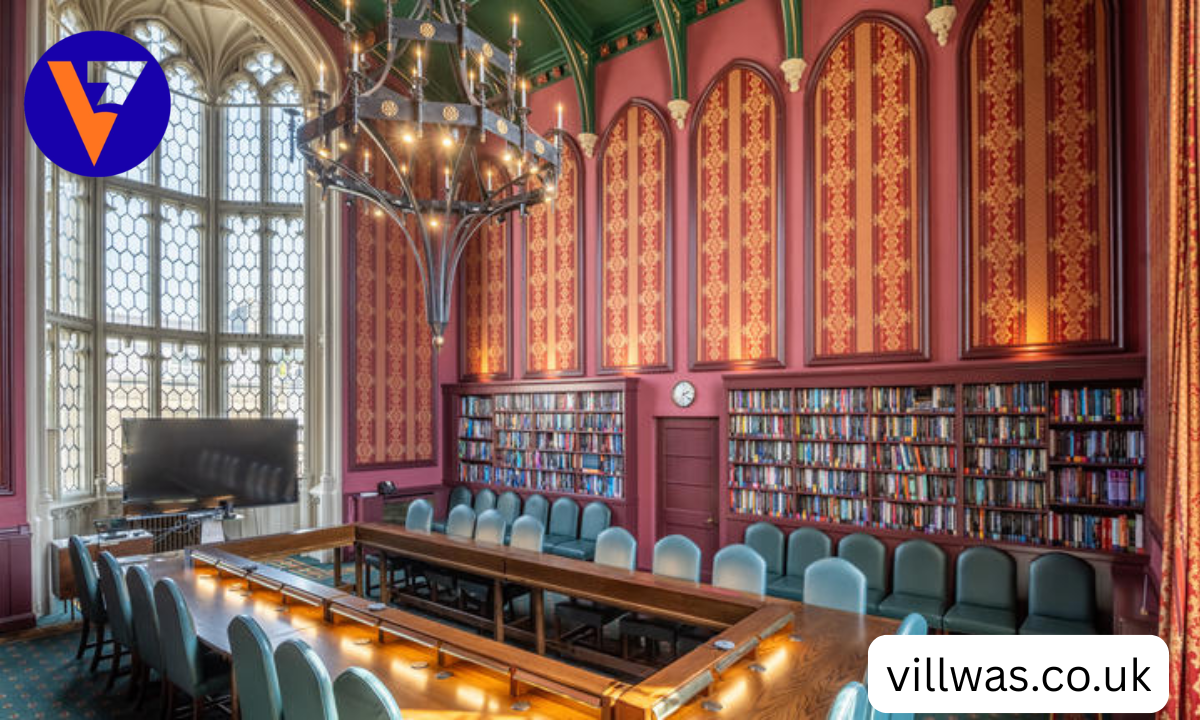
The Cambridge Pitt Club is situated at 7A Jesus Lane, in close proximity to several historic colleges of the University of Cambridge. Its central location enhances its prominence and accessibility for members. The building itself stands as a refined example of classical architectural influence, contributing to the club’s formal and prestigious atmosphere.
Inside, the décor reflects a sense of heritage, with traditional dining rooms and carefully maintained interiors. Portraits, wood panelling and formal furnishings create an environment distinct from ordinary student venues. This physical setting plays a key role in sustaining the identity of the Cambridge Pitt Club, reinforcing both its historical continuity and its separation from everyday university life.
Membership Structure and Eligibility Criteria
Membership of the Cambridge Pitt Club has historically been selective, relying on nomination and approval procedures. Prospective members are typically connected to the University of Cambridge, whether as students or alumni. This structured approach ensures that entry is not automatic, contributing to the perception of exclusivity often associated with the club.
A significant milestone occurred in 2017, when the Cambridge Pitt Club admitted women for the first time in its history. This decision marked an important shift towards inclusivity while maintaining the club’s traditional framework. Today, membership categories may include student members, life members and honorary members, all of whom are expected to uphold established standards of conduct and decorum.
Cambridge Pitt Club Fees and Financial Considerations
Interest in Cambridge Pitt Club fees is common among those researching the institution. While exact figures are not always publicly advertised, membership typically involves an annual subscription in addition to costs associated with formal dinners and events. These financial commitments reflect the maintenance of the historic premises and the organisation of high-quality social occasions.
In recent years, the Cambridge Pitt Club has faced financial pressures, particularly during periods when rental income or external revenue declined. Public reports of fundraising appeals have highlighted the challenges faced by traditional private clubs in a changing economic environment. Such developments have prompted wider discussions about sustainability and the balance between heritage and financial practicality.
Traditions, Dining and Social Life
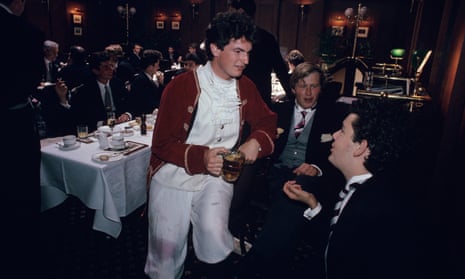
Formal dining lies at the heart of the Cambridge Pitt Club experience. Members gather for structured dinners that often involve specific dress codes and established seating arrangements. These traditions foster a sense of continuity, linking present-day members with generations who attended similar events in the nineteenth and twentieth centuries.
Beyond dining, the club provides a social space for networking and conversation. Supporters argue that the Cambridge Pitt Club encourages meaningful connections across different academic disciplines and professional paths. Critics, however, question whether such networking reinforces social boundaries. Regardless of perspective, the social dimension remains central to the club’s ongoing appeal.
Controversy and Public Perception
The Cambridge Pitt Club has frequently been cited in debates about elitism within British higher education. Commentators have suggested that private societies can symbolise broader inequalities, particularly when membership processes appear exclusive or financially demanding. Media attention has amplified these critiques, placing the club under periodic public scrutiny.
Supporters maintain that the Cambridge Pitt Club is a voluntary association rooted in tradition rather than discrimination. They point to reforms, including the admission of women and evolving cultural practices, as evidence of adaptation. The ongoing debate reflects wider tensions between heritage and inclusivity within institutions that carry historic prestige.
The Cambridge Pitt Club in Modern Context
In contemporary Cambridge, the Cambridge Pitt Club operates primarily as a private dining and social club rather than a political society. Its role has shifted towards providing a structured environment for formal gatherings, alumni engagement and social exchange. While no longer central to political discourse, it retains symbolic significance.
The future of the Cambridge Pitt Club will likely depend on its ability to balance continuity with change. As societal expectations evolve, institutions with long histories must adapt while preserving their defining characteristics. The club’s response to financial pressures, cultural debates and membership trends will shape its relevance in the decades to come.
Conclusion
The Cambridge Pitt Club occupies a distinctive place within the cultural landscape of Cambridge. Founded in 1835 with political intentions, it has transformed into a private members’ club centred on tradition, dining and social networking. Its historic building, selective membership and formal events contribute to its enduring reputation.
At the same time, the Cambridge Pitt Club remains a subject of discussion and debate. Questions surrounding fees, inclusivity and relevance ensure that it continues to attract attention both within and beyond university circles. By examining its history, structure and contemporary challenges, one gains a balanced understanding of this enduring institution.
Frequently Asked Questions
What is the Cambridge Pitt Club?
The Cambridge Pitt Club is a private members’ dining society in central Cambridge founded in 1835.
When was the Cambridge Pitt Club established?
It was established in 1835 as a political dining club.
Who is eligible to join the Cambridge Pitt Club?
Students and alumni of the University of Cambridge may apply through nomination.
How much are Cambridge Pitt Club fees?
Fees include an annual subscription plus additional dining and event costs.
Is the Cambridge Pitt Club still male-only?
No, the Cambridge Pitt Club has admitted women since 2017.
Where is the Cambridge Pitt Club located?
It is located at 7A Jesus Lane in central Cambridge.
Why is the Cambridge Pitt Club considered controversial?
It is criticised for perceived exclusivity and elitism within university culture.
Is the Cambridge Pitt Club officially part of the University of Cambridge?
No, it operates independently as a private members’ club.